

Executive burnout rarely looks like collapse. It looks like competence without energy.
Leaders still show up. They still make decisions and hit targets. Underneath, something is thinning. Patience gets shorter. Curiosity fades. Conversations turn transactional. Vision narrows into survival.
The common explanation is workload. The more accurate explanation is design.
Burnout is rarely about hours alone
Executives work long hours. That has always been true.
What has grown is the cognitive load. Leaders run hybrid teams through economic swings and constant digital interruption, while employees expect more meaning from their work.
Research on burnout keeps pointing past the volume of work. Christina Maslach, whose research shaped how burnout is measured, describes six drivers: workload, control, reward, community, fairness and values. Only one of the six is about how much work there is. Lack of control, unclear expectations and conflicting values do much of the damage.
Deloitte's research on executive well-being has found large shares of C-suite leaders reporting exhaustion and considering leaving their roles for their well-being, often while their companies perform well.
When strong leaders burn out, the system deserves a closer look before their resilience does.
The hidden drivers of executive burnout
Burnout at the leadership level usually grows out of structural tension. Emotional fragility is rarely the story.
Three patterns show up again and again.
Unclear authority. Leaders are accountable for outcomes and constrained by diffuse decision rights. They carry the responsibility without full control.
Competing expectations. Boards expect growth. Employees expect stability and meaning. Markets expect agility. The leader becomes the pressure valve between them.
Isolation. Executives often have nowhere to work through uncertainty out loud. The higher the role, the fewer safe places exist for candid reflection.
A time management workshop won't solve any of these. They need structural recalibration.
Why traditional leadership development misses the mark
Many organizations respond to burnout with wellness initiatives or coaching focused on stress management.
Those tools can help. They rarely reach the deeper issue. If the leadership system is misaligned, no amount of individual resilience will make up for it.
Burnout is feedback from the system about how it was built.
The design problem most organizations ignore
In many companies, executive roles grow faster than their structure.
Responsibilities expand. Expectations multiply. Reporting lines blur. Decision frameworks turn reactive.
Over time, leaders end up in roles nobody designed to be sustainable.
When leadership design lacks clarity:
- Strategic decisions need too much consensus.
- Escalations skip the agreed process.
- Priorities shift without anyone realigning the team.
- Accountability becomes personal instead of shared.
That creates constant cognitive friction. Friction, over time, becomes exhaustion.
How retreat space changes the burnout equation
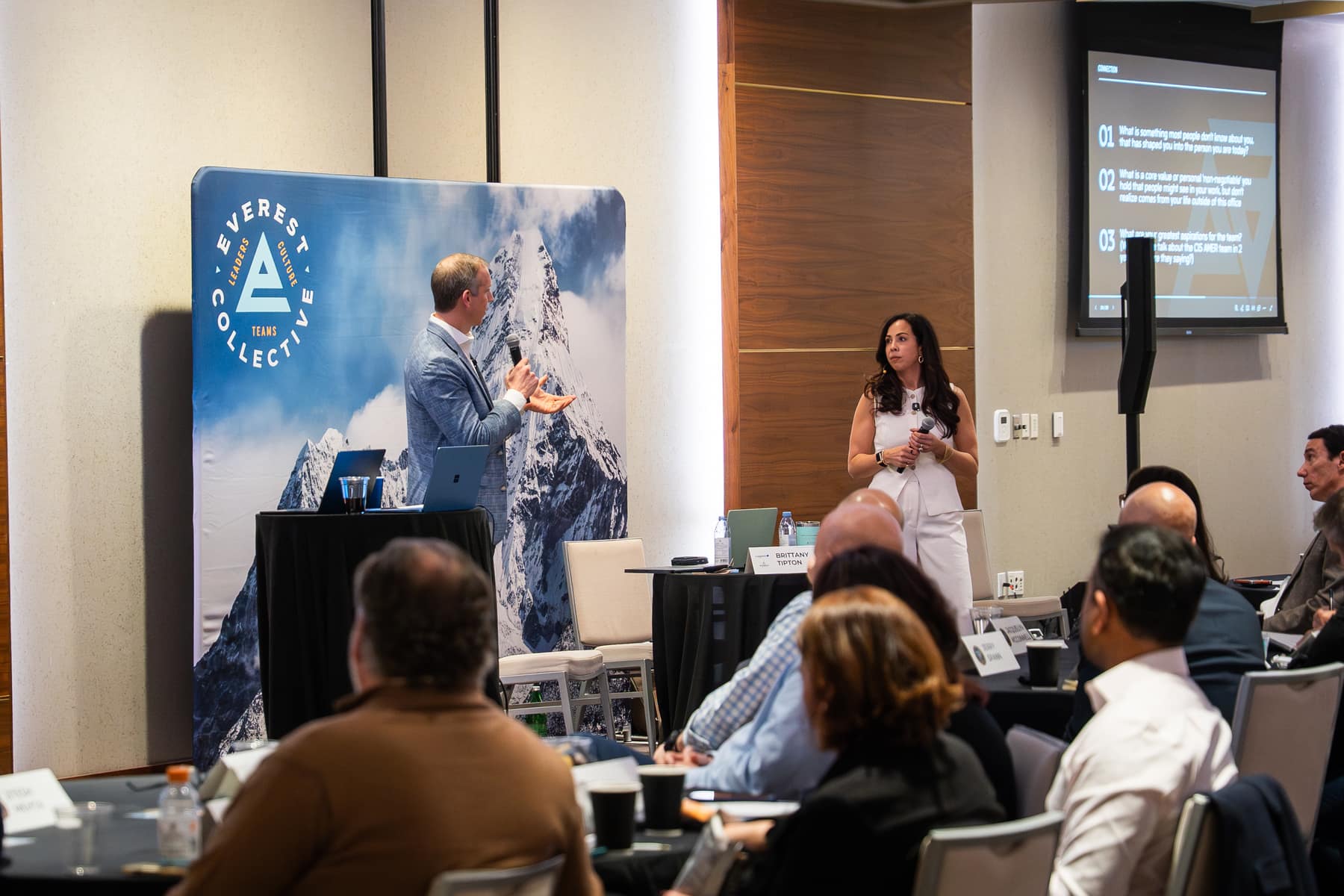
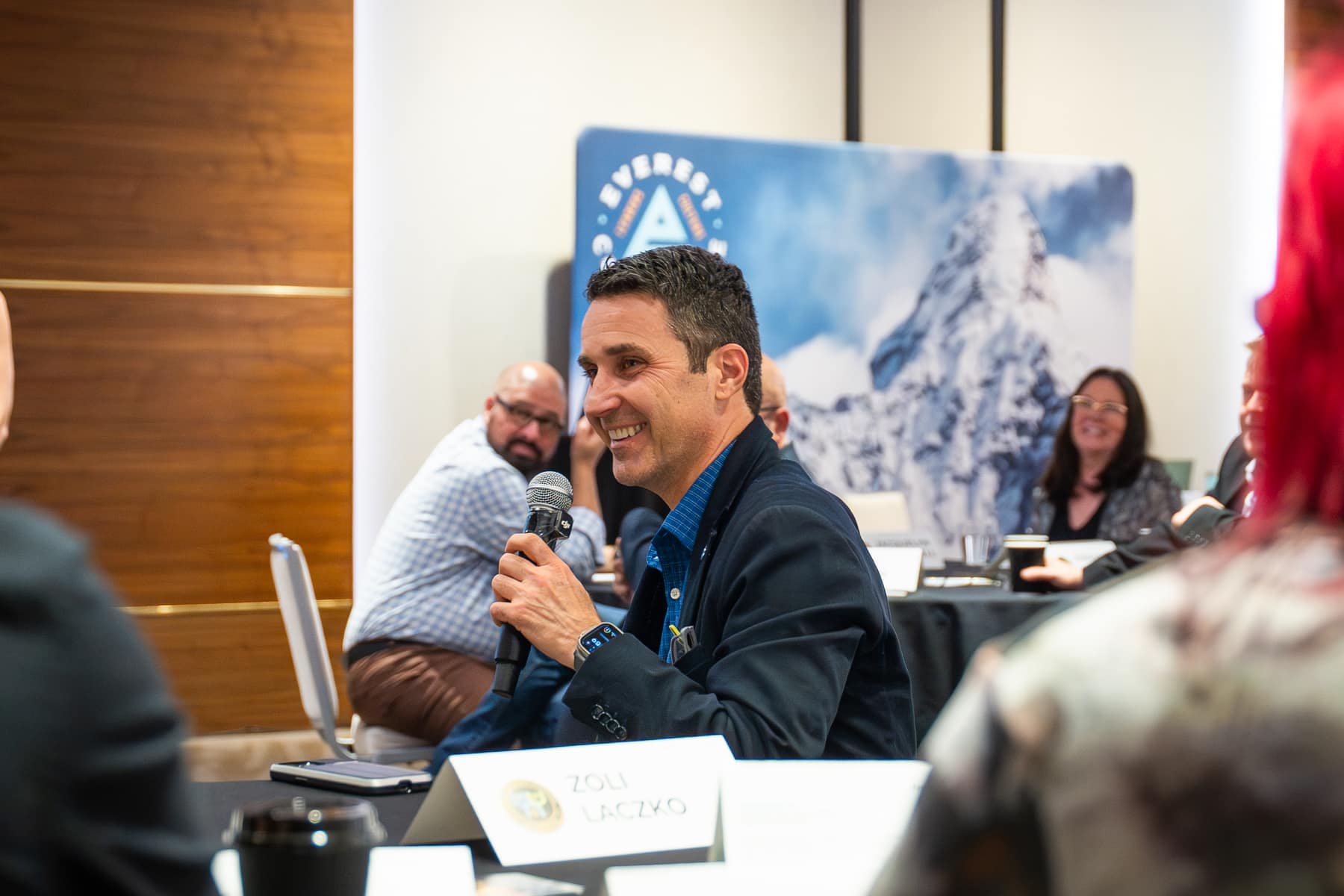
Executives rarely step out of operating mode. A retreat interrupts that cycle.
In a well-facilitated leadership retreat, executives can examine:
- Where decision rights are unclear
- Where expectations conflict
- Where accountability structures are misaligned
- Where their own behavior creates pressure they never intended
That kind of system-level reflection rarely happens in regular leadership meetings or quarterly reviews.
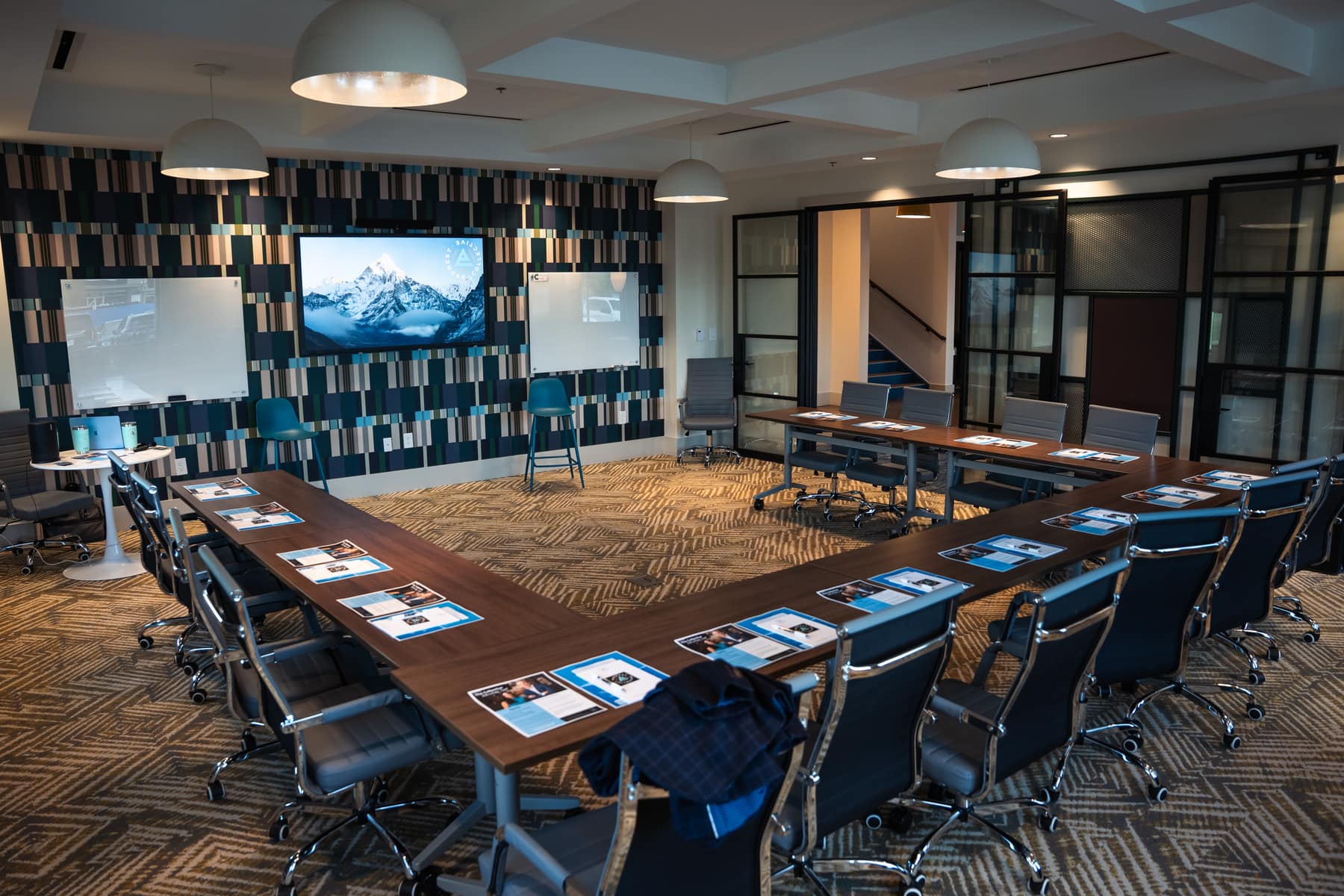
We design executive leadership retreats to create space for structural recalibration. The goal is to change how the team leads together, which lasts far longer than a motivational reset.
Burnout and culture are connected
Executive burnout doesn't stay at the top.
When leaders run on empty:
- Communication turns reactive.
- Strategic thinking gets shorter.
- Psychological safety erodes.
- Cultural clarity weakens.
Burnout shapes culture quietly.
That's why an organizational culture assessment is often the missing piece in conversations about burnout. It shows where leadership behavior, unclear structure and value conflicts reinforce the strain, so the team can address burnout at its root.
Redesigning leadership for sustainability
When roles lack clarity, decision rights blur and expectations compete, exhaustion becomes predictable. Resilience training can't make up for a system that was never designed to be sustainable.
Change begins when the leadership team steps back and examines the structure it works inside.
That's the work we do with executive teams. Through facilitated retreats and culture assessments, we help teams clarify roles, sharpen accountability and rebuild alignment at the system level. For individual leaders carrying the heaviest load, executive coaching works on the real leadership situations behind the strain.
If your executive team feels the strain of complexity, the next step is to step back on purpose. The free Everest Discovery takes five minutes and shows where your team stands.
Frequently asked questions
What causes executive burnout?
Most executive burnout comes from how the leadership system is designed: unclear decision rights, competing expectations from boards, employees and markets, and isolation at the top. Long hours contribute, and they are rarely the root cause.
Can resilience training fix executive burnout?
It can help individual leaders cope. If roles, decision rights and priorities stay unclear, the strain returns. Lasting change comes from redesigning how the leadership team works together.
How does a leadership retreat help with burnout?
It gives the executive team uninterrupted time to find where authority is unclear, where expectations conflict and where accountability is misaligned, and to agree on changes together.
Related service: Executive Coaching