Team alignment workshops.
Focused working sessions that get one team clear on its two or three most important priorities and a plan to execute them, often used to carry retreat priorities into each department.

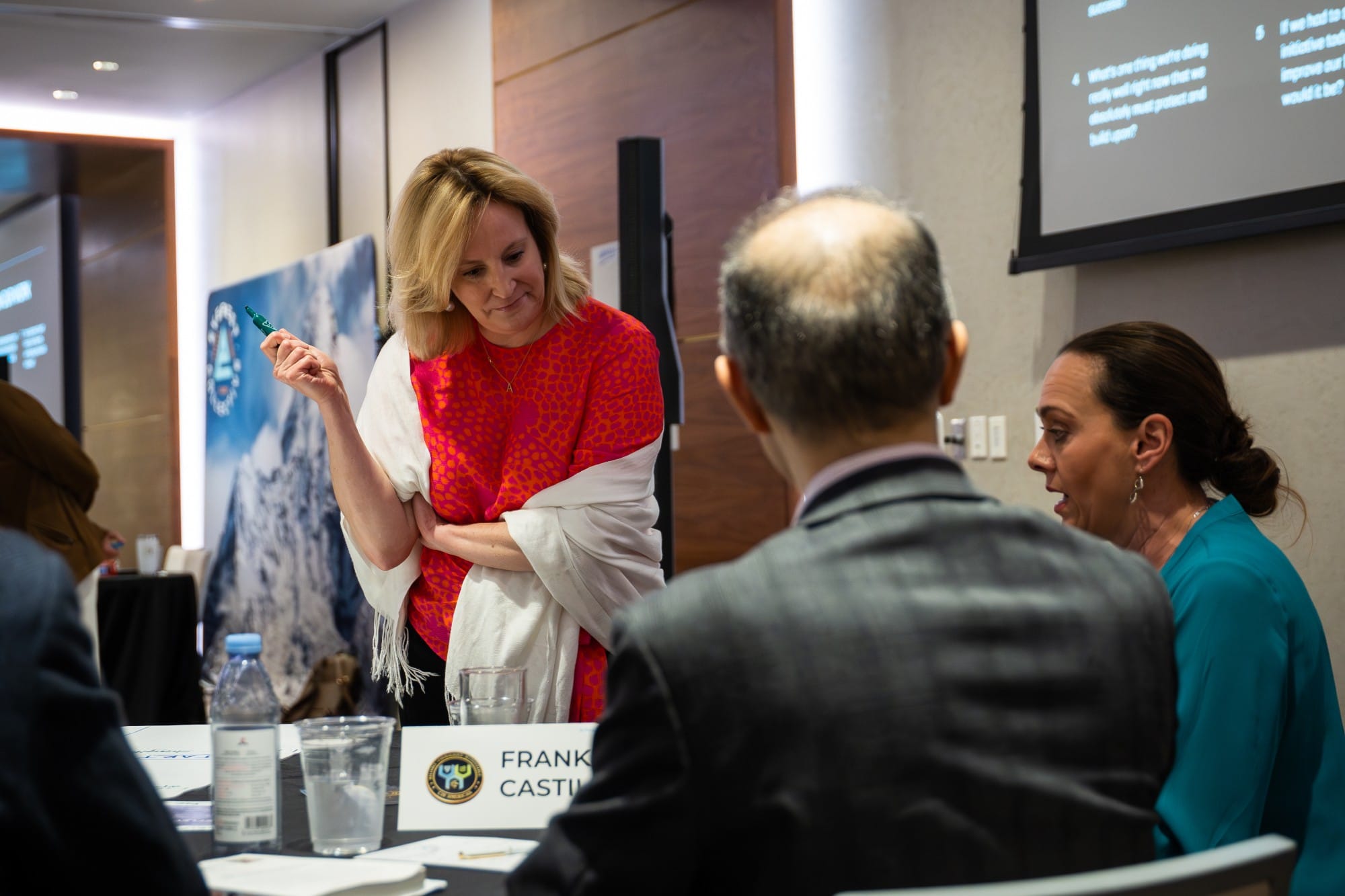
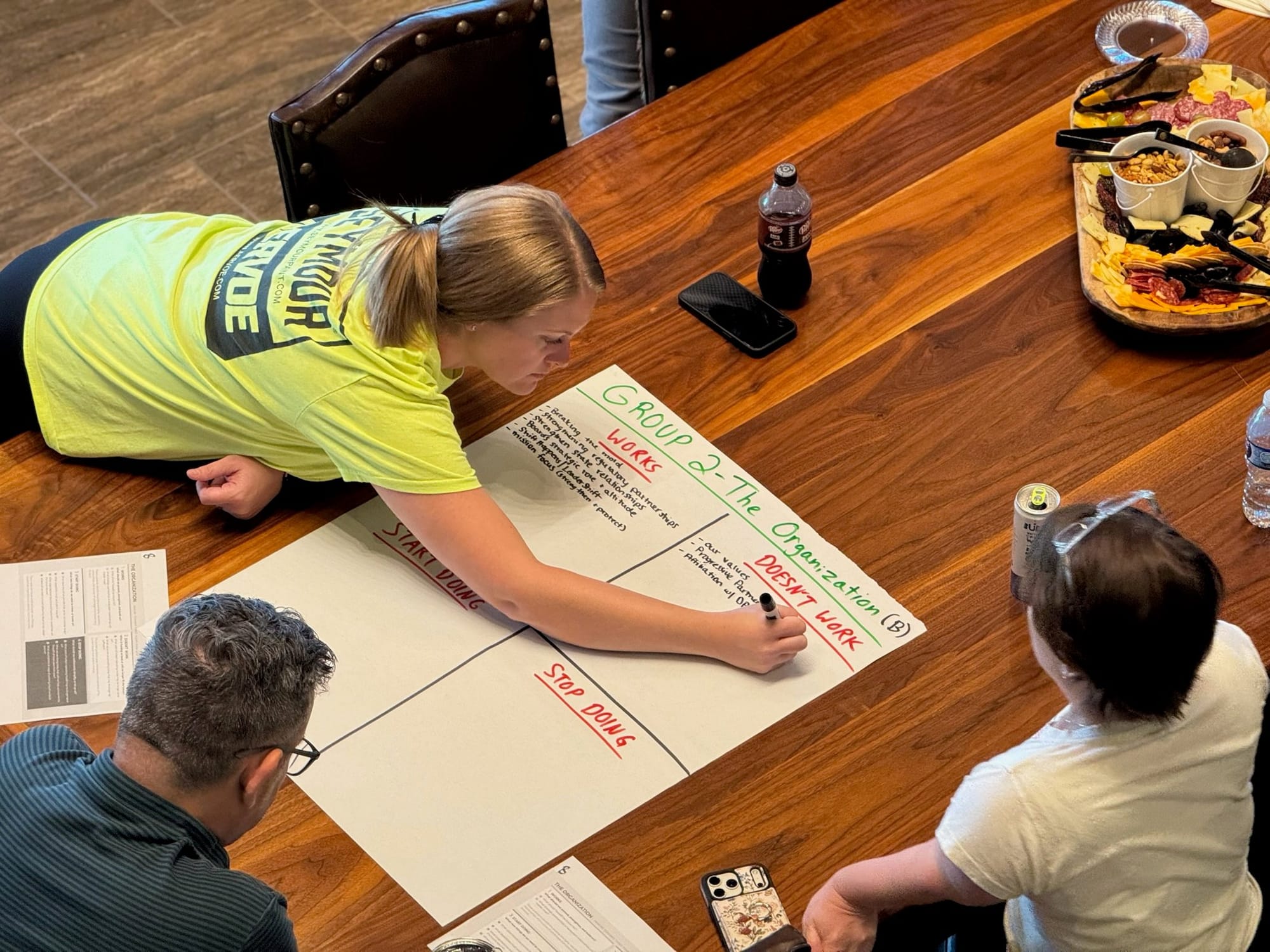
An Everest Team Alignment Workshop is a focused, facilitated working session that gets one team clear on the two or three priorities that matter most and agreed on how they will execute them.
It is built for teams that are working hard in different directions, whether that is a department translating company priorities into its own plan or a leadership team facing a single decision it has to get right.
Who it's for
- Department and functional teams that need to turn the company's priorities into a plan their own people can execute.
- Leadership teams facing one specific issue, such as a new planning year, a reorg or a merger, who need focused time on that issue more than a full retreat.
- Teams where effort is high and results are scattered, and nobody can say for certain which priorities come first.
How the work runs.
- Format
- An in-person working session facilitated by Everest, built around the priorities and decisions in front of your team.
- Who's in the room
- The team that owns the priorities, with Everest as the neutral facilitator so the team leader can take part fully.
What the team gets
- Two or three priorities the team wrote together and agrees come first
- A clear plan for how the team will execute them
- Every off-agenda idea captured through our Parking Lot Promise, so good thinking is kept without derailing the session
Effort lines up behind fewer priorities.
When a team leaves with two or three priorities it wrote itself, people stop guessing about what matters most and stop reinterpreting the plan on their own, which is where most wasted effort comes from.
The plan is simple enough to execute. Many teams leave a planning session with a long list and execute very little of it. A workshop keeps the list short and specific, so the priorities show up in weekly meetings and day-to-day decisions, and progress is visible to everyone on the team.
For a leadership team, the retreat comes first.
The Executive Leadership Retreat runs one to three days, begins with a one-on-one interview with every leader and moves the team through Connection, Clarity and Alignment. A workshop is a narrower, shorter session.
Workshops work well after a retreat. Once the top team has set its priorities, workshops carry them into the departments and teams that execute them, so the plan reaches the people doing the work. Each workshop is its own engagement.
See Executive Leadership RetreatsAfter a GT Foods leadership retreat
“I absolutely loved the opportunity to discuss what was working well and what needed improvement within our team. The retreat has given us a clear plan moving forward and outlined the steps we need to take to reach our goals. It was refreshing to leave with a common objective that we can all strive towards together. I now have a solid understanding of my role and what is expected from me, which makes me excited to contribute to our success.”
Team Alignment Workshops FAQs
What is the difference between a workshop and an executive retreat?
A retreat is one to three days, starts with a one-on-one interview with every leader and moves the team through the full Connection, Clarity and Alignment arc. A workshop is a shorter session with a narrower focus, usually one team and one set of priorities or decisions.
Should we start with a workshop or a retreat?
If you are the CEO or senior executive and your leadership team needs to get clear on priorities for the year, start with a retreat. Workshops are the right fit for a single department or a single decision, and they carry retreat priorities further into the organization.
Can a workshop follow a retreat?
Yes, and that is one of the most useful ways to run one. After the top team sets its priorities, a workshop helps each department build its own plan to execute them.
Who facilitates?
Everest's co-founders, Mike Fromhold, a former CEO, and Brittany Tipton, a former EVP. Having a neutral outside facilitator means the team leader can take part fully and the conversation reflects the whole room.
Is this team building?
It is a working session on priorities and execution. Connection matters because teams need trust to have an honest conversation about what is working, and the time is spent on the business results your team is responsible for.
See where your team stands.
Ten questions across connection, clarity, alignment and execution. You’ll see your greatest opportunity at the end with no email required, then decide if a retreat makes sense.
Built from 40+ years of leading teams inside multi-billion-dollar companies.