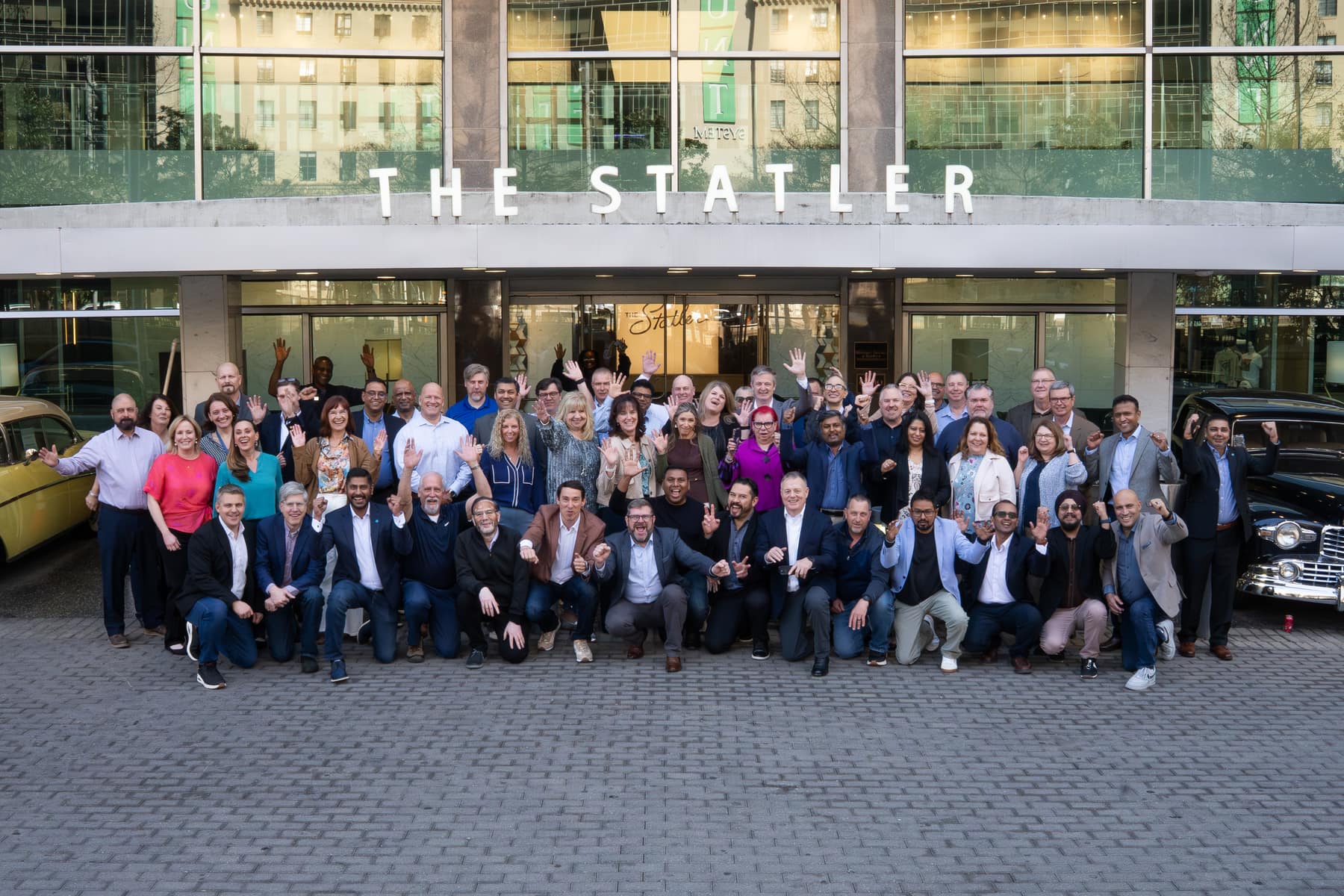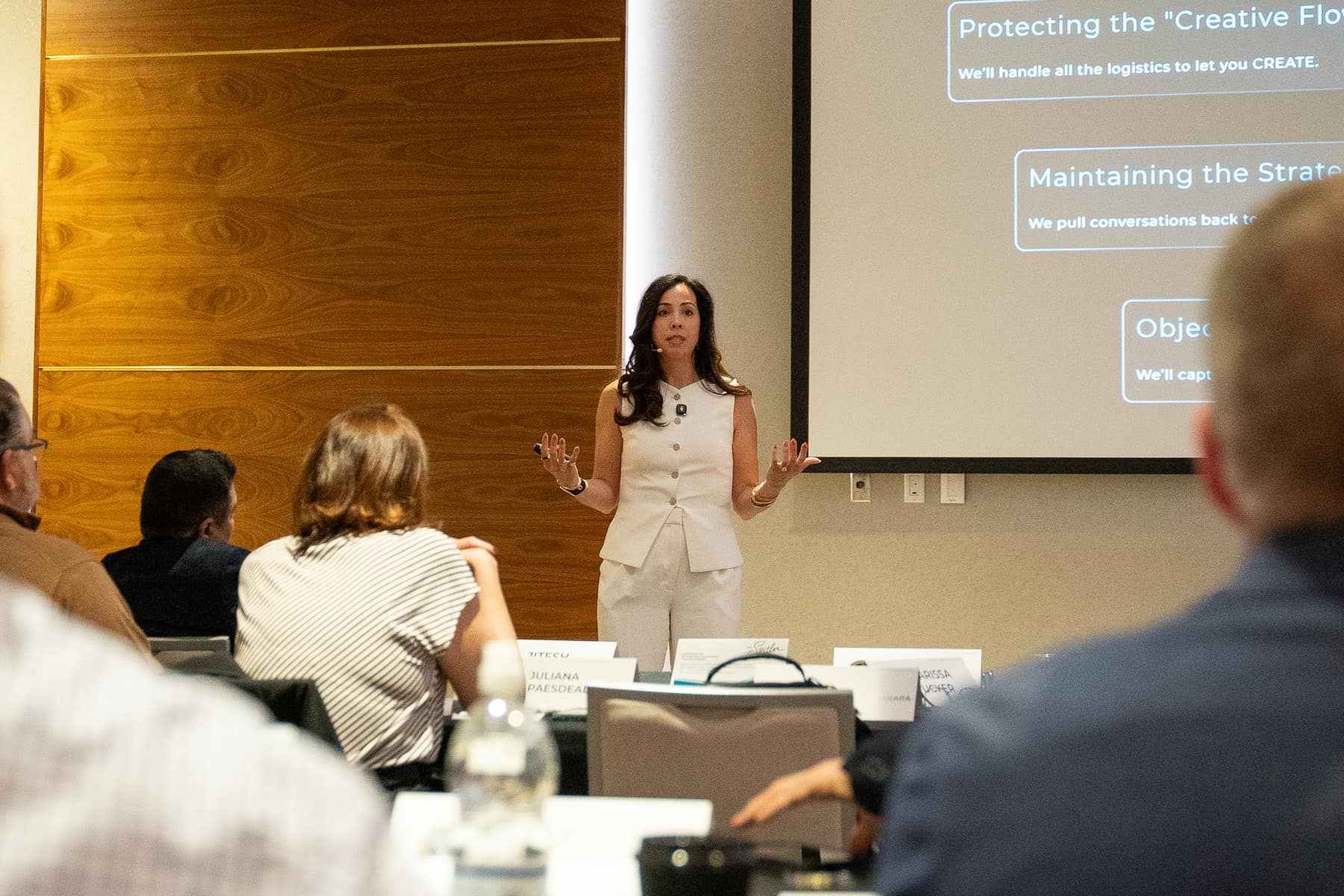


Yesterday I sat with the leadership team of a company that wants to keep growing and hold on to its best people. I told them about 2018.
I was a senior leader at a national staffing company doing about a billion dollars in revenue. When we looked at the prior twelve months, sales turnover was 60%. Turnover among our entry-level recruiters was 128%. We were replacing more than our whole recruiting team every year.
What was broken
We could have called it a hiring problem or a market problem. When we looked closely, the biggest thing broken was our culture. It was what we recognized, what we rewarded and what we praised.
Here’s one example. A new salesperson got a brand-new cold territory and, more or less, a “good luck.” We praised the reps who survived that, so we kept doing it, and most new reps didn’t survive.
What we changed
We changed how we hired and how we promoted. We changed who did the training and when people were ready to be promoted. We gave every new rep one to three warm accounts so they could win early instead of starting from nothing.
Most importantly, we acknowledged it together as a leadership team. Once we did, we could bring that same intention to every leader in the company.
Over the next four years the company grew from about a billion dollars to about four billion. A lot went into that growth. The culture work was the part we could control, and it’s the part I’d do first again.
Reward the behavior before the results
Brittany said something in that meeting yesterday that I want every leader to hear. When you change a culture, you reward the new behaviors even before you get the results. The outputs come later. People come to like the new way once it starts working, and they only stick with it long enough if someone notices them doing it.
Put language to your values. For each one, write down what it looks like and what it doesn’t.
Look at your systems. Hiring, training, territory, promotion and recognition. Turnover usually lives in one of them.
Set new people up to win early. A first win in the first ninety days changes how long someone stays.
Remove what’s in the way. Cut the meetings and processes that make the new behavior harder.
Praise the behavior out loud. Before the numbers move.
If your turnover number were a culture number, what would it be telling you?
Frequently asked questions
Is high employee turnover a culture problem?
Often. Turnover usually traces back to how people are hired, trained, set up to succeed, promoted and recognized, which are the systems that shape culture.
How do you reduce sales turnover?
Hire and promote for the behaviors you want, have strong people do the training, give new reps early wins such as warm accounts and recognize the right behaviors before results show up.
How long does it take to change a company culture?
Behavior changes before results do. Leaders should reward new behaviors from the start and expect the numbers to follow over months, not weeks.
Related service: Organizational Culture Assessment