
In 2004, the United States sent a basketball team of NBA stars to the Athens Olympics. They lost their opening game to Puerto Rico by nineteen points and went home with bronze. Four years later, with a culture reset and a lot of the same talent, they won gold.
I opened a session with a leadership team this month with that story, because they needed to hear the line that came after it. Talent is the raw material. What connects people is what wins.
What the research says
Google studied 180 of its own teams in Project Aristotle to find out what made the best ones work. The answer wasn’t who was on the team. It was how the team worked together, and psychological safety came out first: people feeling safe to take a risk, ask a question or admit a mistake in front of each other.
That safety is thin in most companies right now. DDI’s new Global Leadership Forecast found that just 21% of individual contributors trust their senior leaders, and only 17% of leaders feel confident they’re ready to lead through change (DDI, October 14, 2026).
What happens in your brain
When someone feels threatened, embarrassed in a meeting, cut off or blamed, the amygdala sounds the alarm. When your amygdala gets hijacked, your brain shuts down creativity, judgment and problem solving. The exact things you need from a senior leader are the first to go.
A team that had worked together for decades
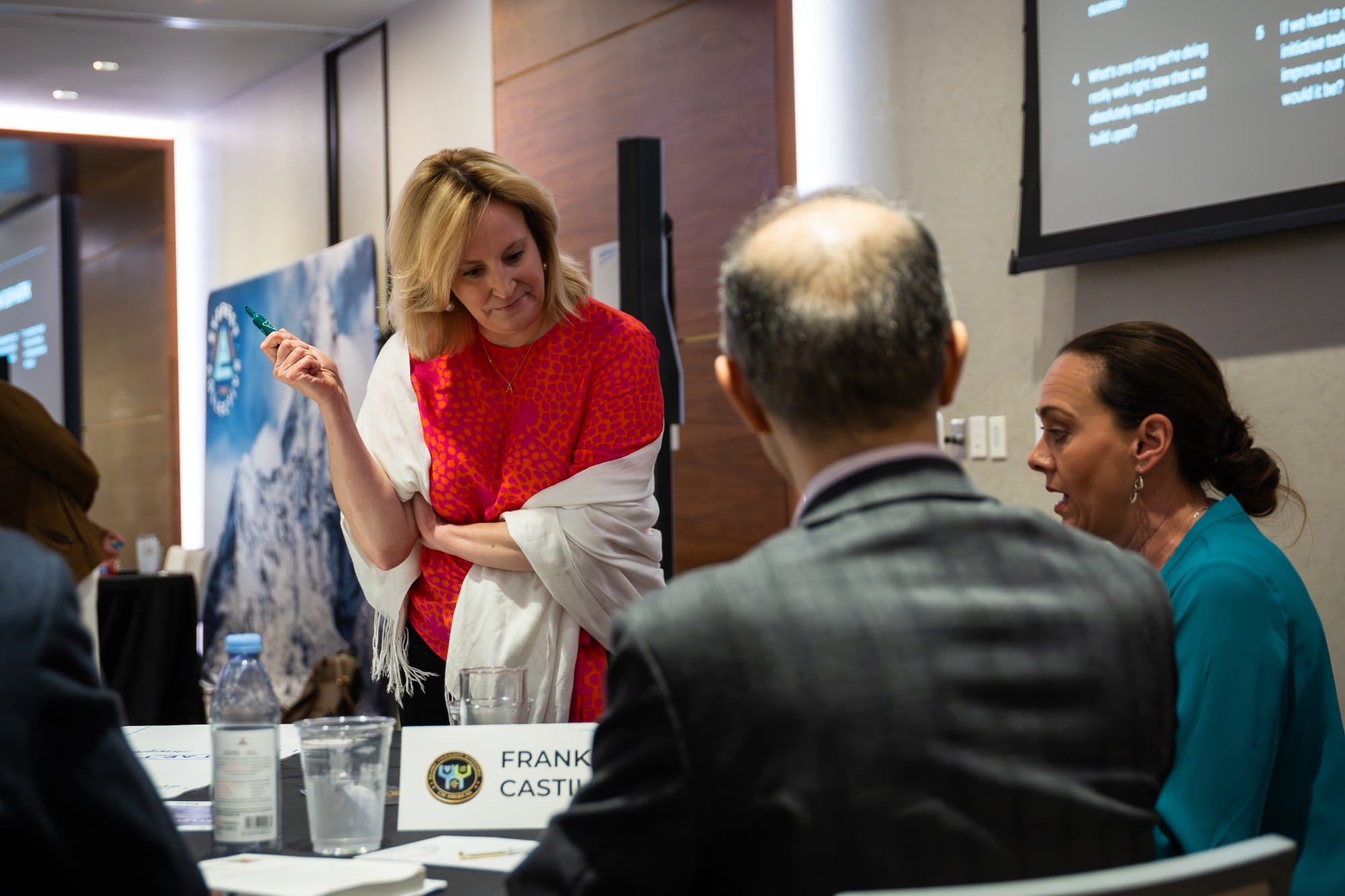
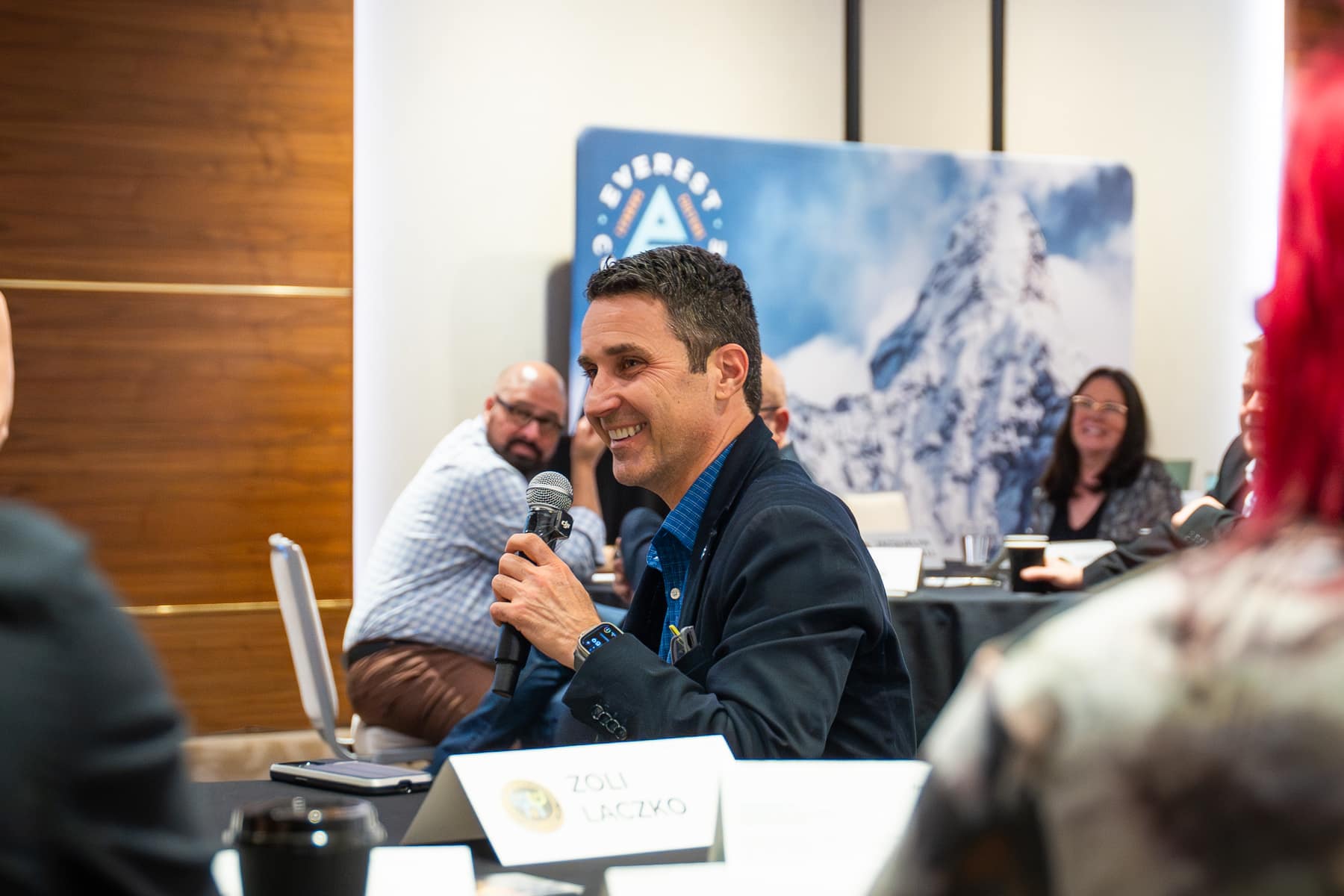
The team in that session had worked together for a very long time. When they ranked themselves on the five things Project Aristotle found, they came out lowest on structure and clarity, with psychological safety close behind. Long tenure had made them comfortable. It hadn’t made them safe to disagree.
What moved them was shared language. A few weeks later they were joking with each other in the middle of meetings: “Okay, my amygdala is being hijacked. You said you were going to let me finish, and you’re cutting me off.” And the answer came right back: you’re right, I’m sorry, we said we weren’t going to do that. That’s what safety looks like in practice: a team that can name what’s happening and fix it in the moment.
How an executive team builds it
Go first. The leader admits a mistake before asking anyone else to.
Ask, don’t pounce. When something goes wrong, the better question is, what did you learn?
Make clarity explicit. Clarity in your head is not clarity. Write down who owns what and how decisions get made.
Use a facilitator for the hard conversations. When an outside facilitator runs the room, the quality and quantity of what people share goes up, and the team gets to root causes instead of solving on the surface.
If your team is talented and still not winning, our team alignment workshops are built for exactly this. You might also like being right vs. being effective.
Frequently asked questions
What is psychological safety on a team?
A shared belief that it’s safe to take risks in front of each other: to ask questions, disagree or admit a mistake without being embarrassed or punished. Google’s Project Aristotle found it was the most important factor in effective teams.
Can a long-tenured executive team lack psychological safety?
Yes. Years together can make a team comfortable without making it safe to disagree. Teams often rate themselves higher on safety than their behavior shows.
How do leaders build psychological safety?
Go first in admitting mistakes, respond to misses with “what did you learn?”, make roles and decisions explicit, and use shared language so the team can name and correct what’s happening in the moment.
Related service: Team Alignment Workshops