

Here is a sentence I didn’t expect to write in 2026: the companies building artificial intelligence are the ones signing leases to put people in the same room.
San Francisco’s office vacancy fell to 27.7% in the third quarter, down from 36.9% two years earlier, and AI firms drove 1.3 million square feet of the new demand (San Francisco Examiner, October 14, 2026). In Manhattan, companies leased more than 10 million square feet for the fourth quarter in a row, the first time that has happened since 2002 (Commercial Observer, October 19, 2026). The people who understand the technology best have decided their teams need to be together.
In-person time is expensive. Spend it on purpose.
Most return-to-office debates are about how many days. Very few are about what happens on those days. If your leaders commute in to sit on video calls at their desks, you are paying for the office and getting none of what the office is for.
There are a few things that work far better in a room:
Decisions with tradeoffs. Agreeing on what you will not chase this year is hard on a screen and much easier across a table.
Hard conversations. Two leaders who have disagreed politely for years tend to say the real thing only when they are face to face and someone gives them permission.
Trust. People learn who they can count on by watching each other work, eat and laugh. That doesn’t happen in a grid of video boxes.
What we see in the room
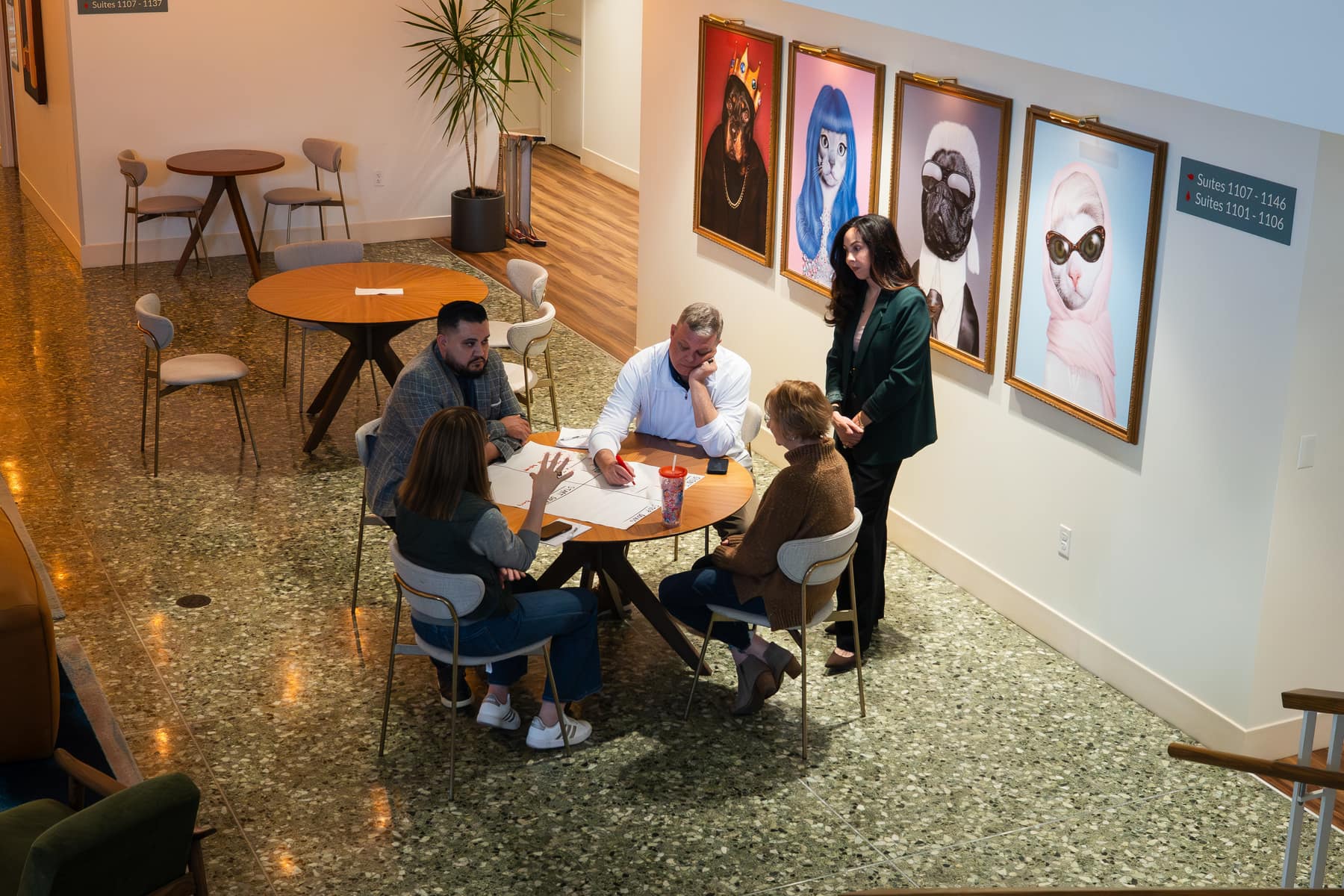
At a retreat in early September, two leaders who had worked together for about ten years disagreed, directly, in front of the whole team. I asked them, “Have you ever spoken to each other that directly like that?” Both said no. Then they talked it through and realized they weren’t that far apart. Ten years of meetings hadn’t gotten them there. One afternoon in a room did.
Brittany puts the other half of it well. When a team can feel safe in the room, the quality and quantity of what people say goes up, and you stop solving problems on the surface and get to the root cause. That only happens when someone is running the room so the leaders can be in it.
Fewer office days, better ones
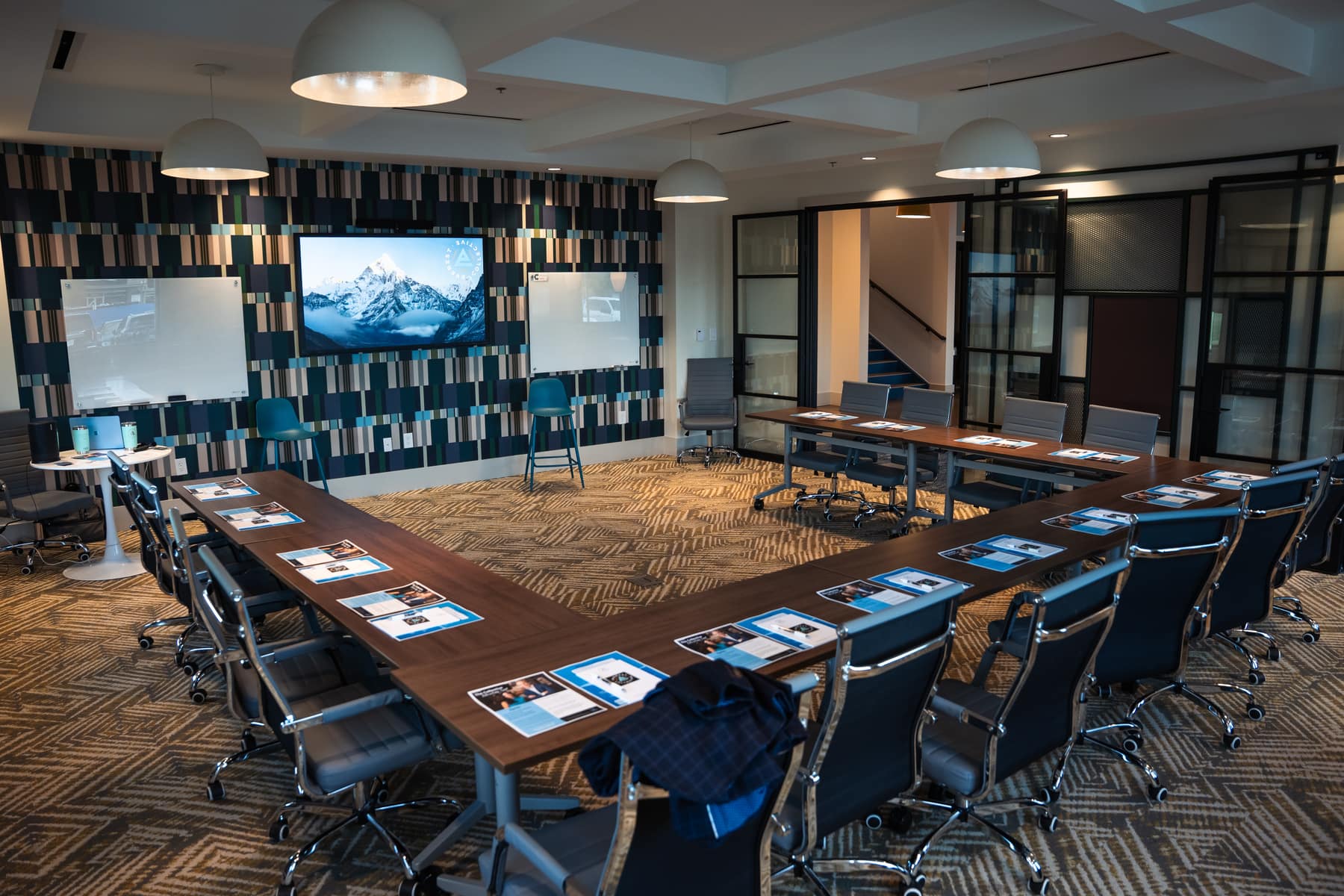
A leadership team that spends two or three days away together, with interviews beforehand, a clear agenda and a facilitator, usually leaves with more alignment than a year of mandated Tuesdays. Then the office days have a purpose: working the plan the team built together.
If your team is in San Francisco, New York or Dallas–Fort Worth, we have places close to home and farther afield. Or start with the venue guide and pick the setting first.
The AI companies figured out what their in-person time is worth. What is yours worth, and what are you spending it on?
Frequently asked questions
Why are companies returning to the office in 2026?
Many leaders believe decisions, trust and learning happen faster in person. In San Francisco, AI companies led the office recovery in 2026, and Manhattan leasing reached its strongest run since 2002.
What is in-person time best used for?
Decisions with tradeoffs, hard conversations and building trust. Routine updates and individual work can happen anywhere.
Is a leadership retreat better than more office days?
For alignment, often yes. A few focused, facilitated days away usually produce more clarity and trust than many ordinary office days, and they give the office days a plan to work on.
Related service: Executive Leadership Retreats