
At the end of two days with a 15-person steel manufacturing team, one of the leaders stood up and asked the group never to rebuild the walls they had worked so hard to tear down. Then came the hugs, from people who had worked side by side for years. It was one of those moments you carry with you.
And then they went back to work, where most of the people who would carry out their plan had not been in the room.
That is the gap every good retreat leaves behind. The executive team is aligned. The departments are still running the plays they ran last quarter.
Why alignment stops at the top
The top team spent two days getting connected, getting clear and choosing two or three priorities together. Every department head then walks back to a team that heard about the retreat secondhand, if at all.
The priorities sound right in an all-hands email. What nobody has worked out yet is what each one means for this team, on this Tuesday, given everything else already on its plate.
What a department needs
A department needs its own version of the plan. That means answering four questions together:
- Which company priority does our work move most?
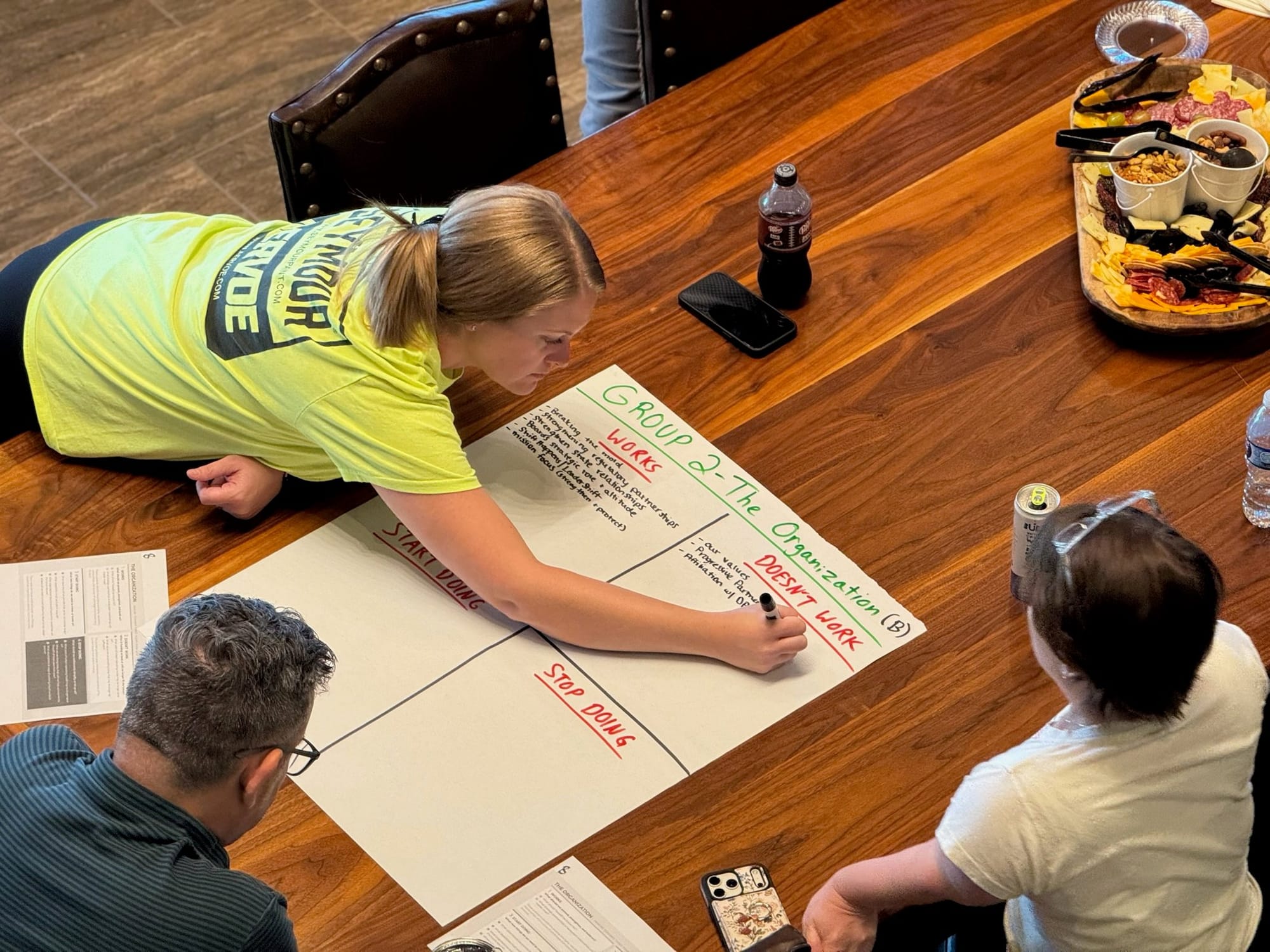
- What will we start doing, stop doing and keep doing because of it?
- Who owns each piece, by name?
- How will we know each week whether it is working?
The "stop" column is the one teams skip and the one that matters most. A new priority without anything coming off the plate turns into overtime and resentment.
How a team alignment workshop runs
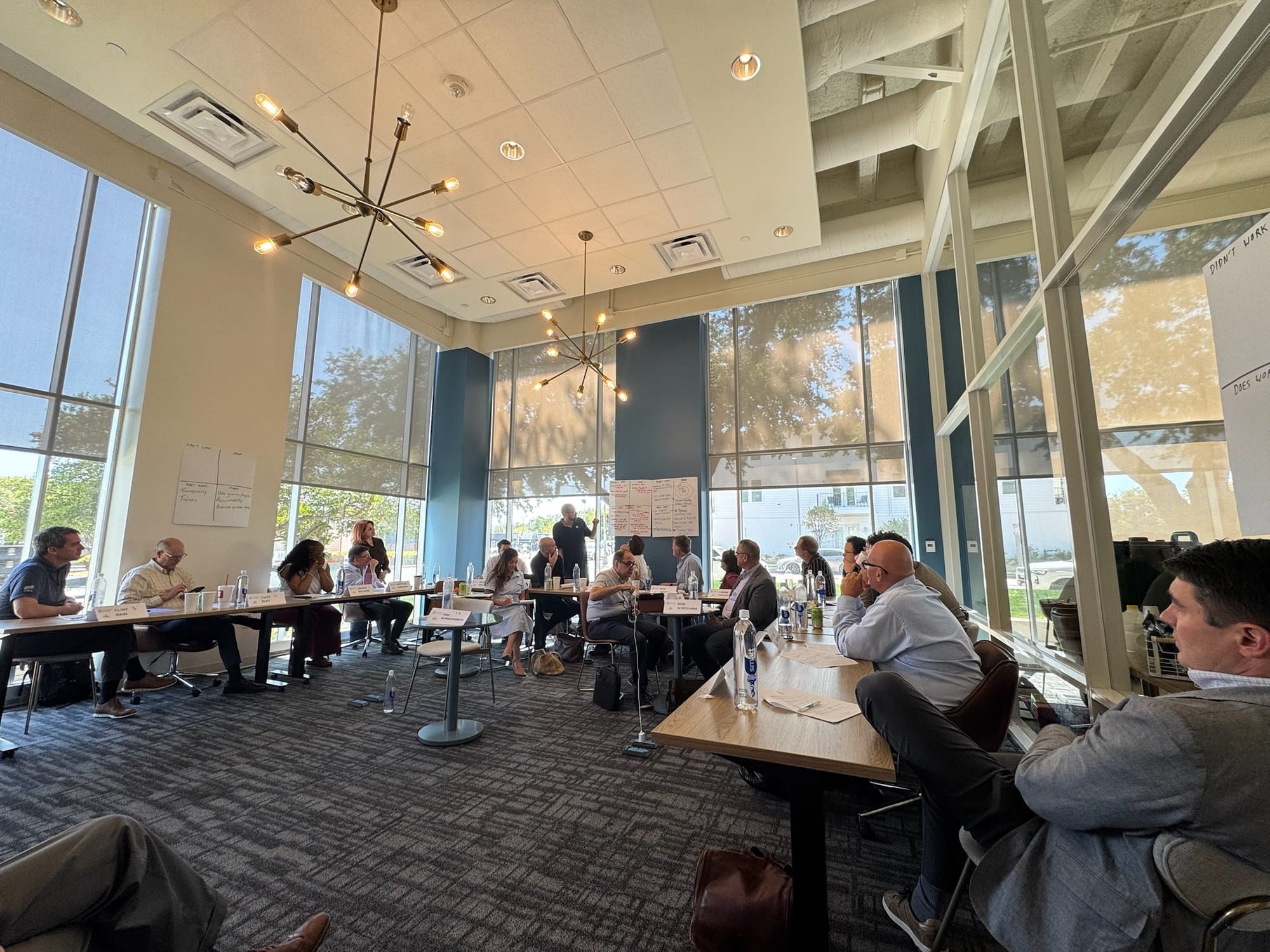
A team alignment workshop is a focused, facilitated working session, usually a half day or a full day, for one team. We start with connection, because people who know each other tell each other the truth. We focus on clarity, so everyone sees the same picture of the work. We end with alignment, written commitments the team owns.
The output is short: the department's two or three commitments, an owner for each, a measure for each and a time on the calendar where the team will review them.
Talk to people, not about people
The rule I give every team is simple: talk to people, not about people. It matters most in the weeks after a workshop, when a commitment slips and the easy move is to complain about it in the hallway. The teams that execute are the ones that bring it back into the room.
Bring the plan down a level
If your executive team has its priorities and your departments do not yet know their part, book a conversation. If the top team is not aligned yet, start there with an executive leadership retreat.
Frequently asked questions
What is a team alignment workshop?
A focused, facilitated working session, usually a half day or full day, that gets one team clear on its two or three most important priorities and a plan to execute them, often to carry company priorities into a department.
How is it different from a retreat?
A retreat is one to three days for the leadership team, built from an interview with every leader. A workshop is shorter and focuses one team on its part of a plan that already exists.
What does a team leave with?
Two or three written commitments, an owner and a measure for each, what the team will stop doing to make room, and a set time to review progress.
Related service: Team Alignment Workshops