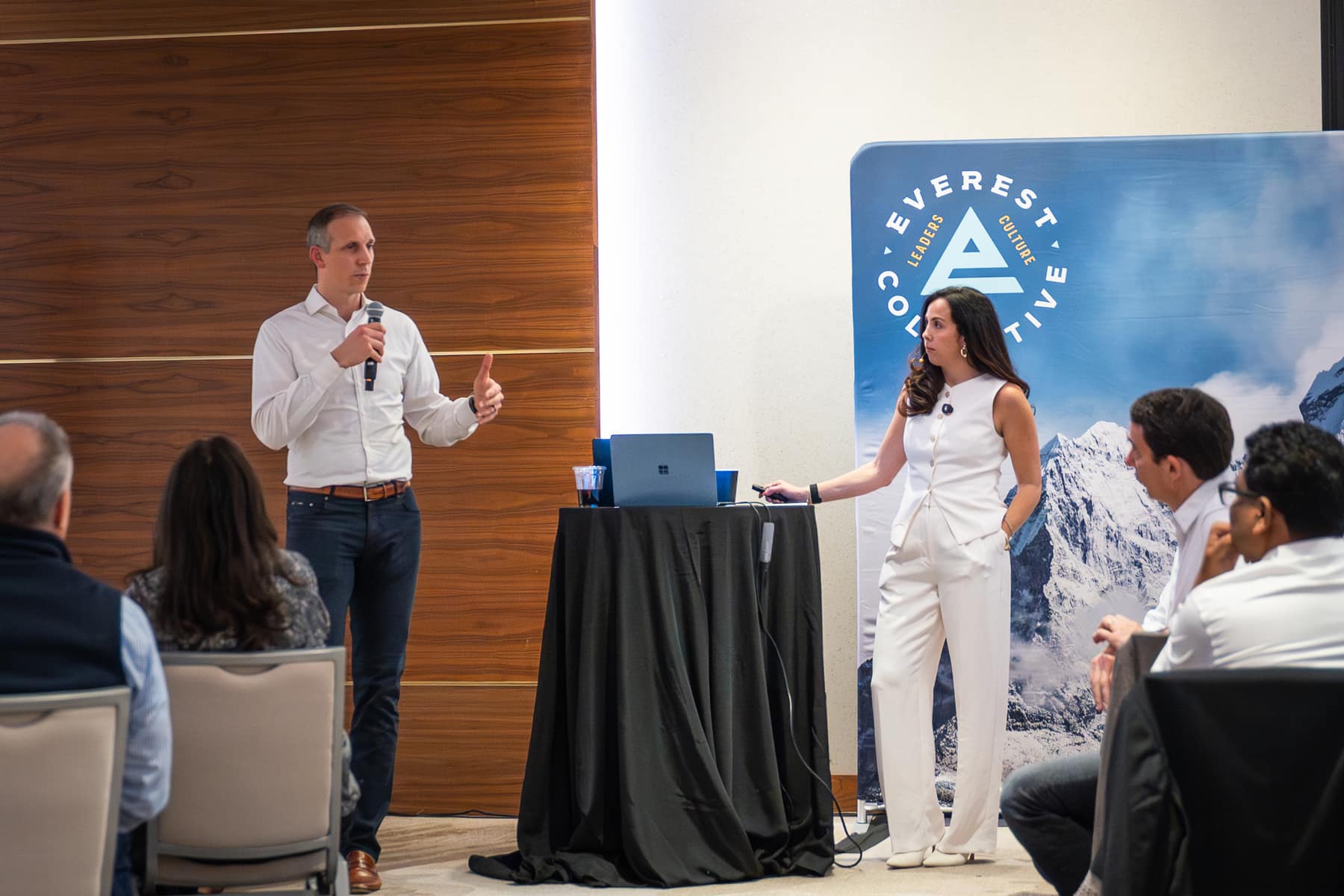

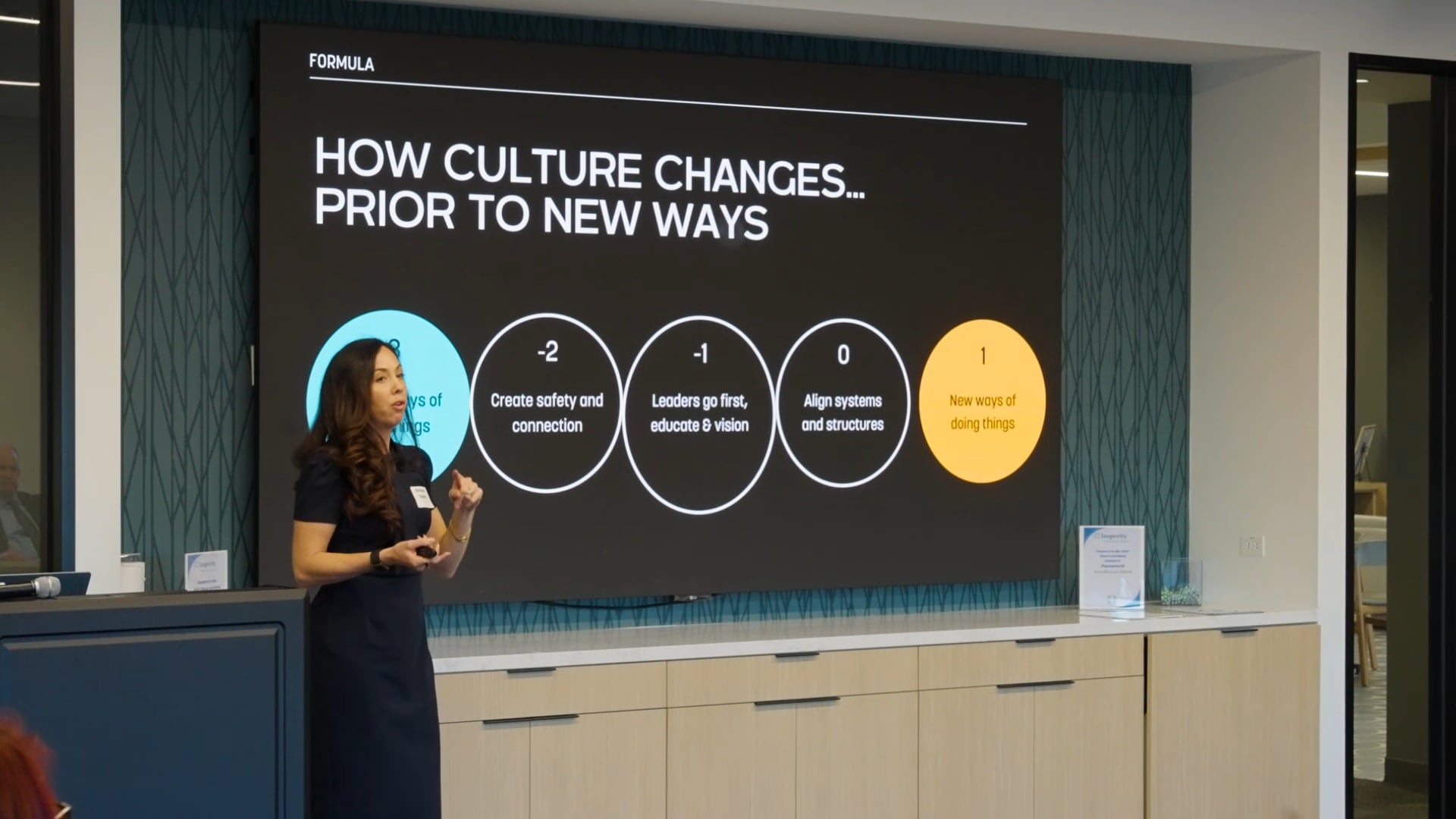
Yesterday I spent the afternoon with a group of nonprofit CEOs talking about culture, and I started where I always start. Edgar Schein, who taught at MIT for decades, described culture as how a group has learned to solve its problems along the way. Whatever worked twenty years ago, whatever got you your success, is what ends up in the culture.
That’s mostly good news. It also means a company can keep doing something long after it stopped helping.
The fixer
One leader in the room described how her organization grew. It started with a narrow job and did it well. Over the years, people came to it with more and more problems, and it jumped in to fix them, including problems it had no authority to solve. It became the fixer.
Being the fixer felt like great service. It also left her people frustrated and her partners expecting things the organization couldn’t deliver.
The same habit at a much bigger company
Late last month I was coaching a leader at a company approaching a billion dollars in revenue, and I heard the same story in different words. Everyone is in back-to-back meetings. Nobody has an open hour. People pick up fires that belong to other teams because that’s what got the company here, and now nobody is sure who owns what.
He called it growing pains. Scrappy worked for years. He wasn’t sure it still does, and I think he’s right to ask.
So I asked him a question I ask a lot of leaders. We’re all saying we’re burned out. So is jumping in and putting out fires that aren’t ours to own helping?
Does this still serve us?
Name the habits that got you here. As a leadership team, list the things the company does by instinct: jump in, say yes, work late, fix it now. Most of them were strengths.
Ask the question out loud. For each one: does this still serve us? Some will. Some will be the reason everyone is tired.
Decide who owns which fires. Write down the five or six recurring problems that everyone jumps on and assign each one a single owner.
Give people permission to hand it off. “That’s not ours, and here’s who owns it” has to become an acceptable answer, said with care and backed by the leaders.
Recognize the handoff. If you only celebrate the hero who stayed until midnight, you’ll keep getting heroes. Celebrate the person who got the problem to the right owner, too.
Which habit got your company here and might be holding it back now?
Frequently asked questions
What is Edgar Schein’s definition of culture?
Schein described organizational culture as the shared assumptions a group learned as it solved its problems, which is why habits that once worked stay in a culture long after conditions change.
Why do growing companies end up in back-to-back meetings?
Habits from the early days, like everyone jumping on every problem, blur ownership as the company grows. More people get pulled into each issue and nobody is sure who owns what.
How do you change a firefighting culture?
List the habits that got you here, ask whether each one still serves you, assign a single owner to each recurring problem and recognize people for handing work to the right owner.
Related service: Organizational Culture Assessment