
My freshman year at Penn State, I played a pickup game of basketball with my older brother Mark and a group of upperclassmen four years older than me. I was not very good at the time, and it showed. After the game, Mark gave me feedback, and the way he gave it was encouraging enough that it gave me confidence. Looking back, I can point to that afternoon as one of the moments that changed the direction of my life. I have since told him about it, and of course he does not remember it.
Mark was not a manager that day. He was a leader who understood that the way you say something to someone decides what they do with it. Most of us learn that slowly, and many new managers never get taught it at all.
The promotion problem
Companies promote their best individual contributors into management because those people earned it. They are fast, reliable and good at the work. Then the job changes underneath them.
The skills that earned the promotion are rarely the skills the new role needs. The best salesperson now has to help six other people sell. The best engineer now spends more time unblocking others than building. The habits that made them great, doing it themselves and doing it fast, start to get in the way.
What new managers need to learn
How their words land. A passing comment from a manager carries more weight than the manager realizes. New managers need to learn to give feedback that builds people up while still telling the truth.
How to hand off the work. The hardest shift is letting someone else do the work you used to do well, and coaching them through it rather than taking it back.
How to hold people accountable. Kind and clear expectations, followed by a real conversation when a commitment is missed, without letting it become personal.
How to lead the way the top team agreed to lead. When the executive team decides on two or three priorities, the managers are the people who make them real every day. They need to know the priorities and how their team's work connects to them.
Why steady sessions beat a one-time workshop
Leadership habits form the way any habit forms, through practice over time. A single two-day workshop can open the door. It rarely changes how someone leads on a Tuesday afternoon three months later.
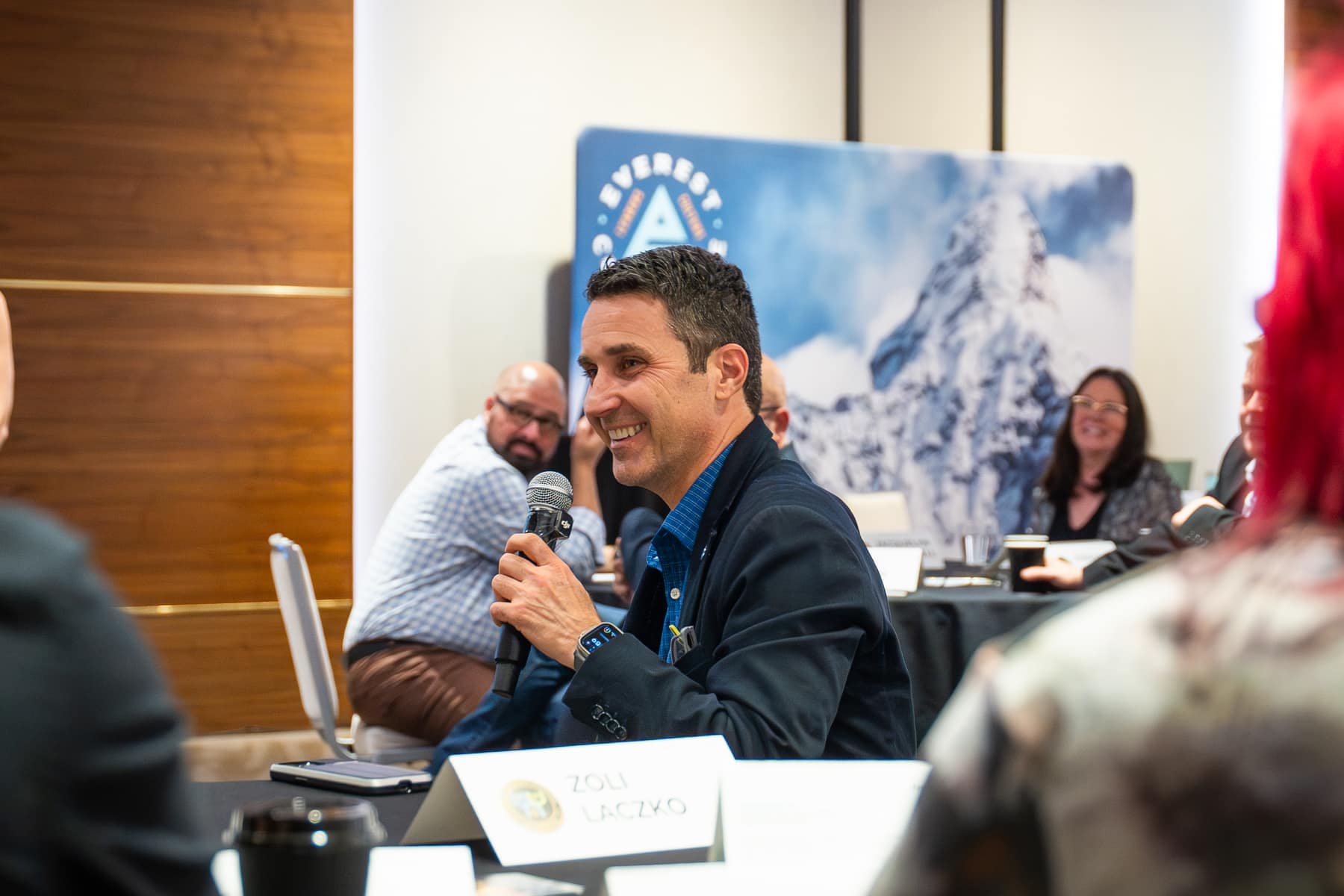
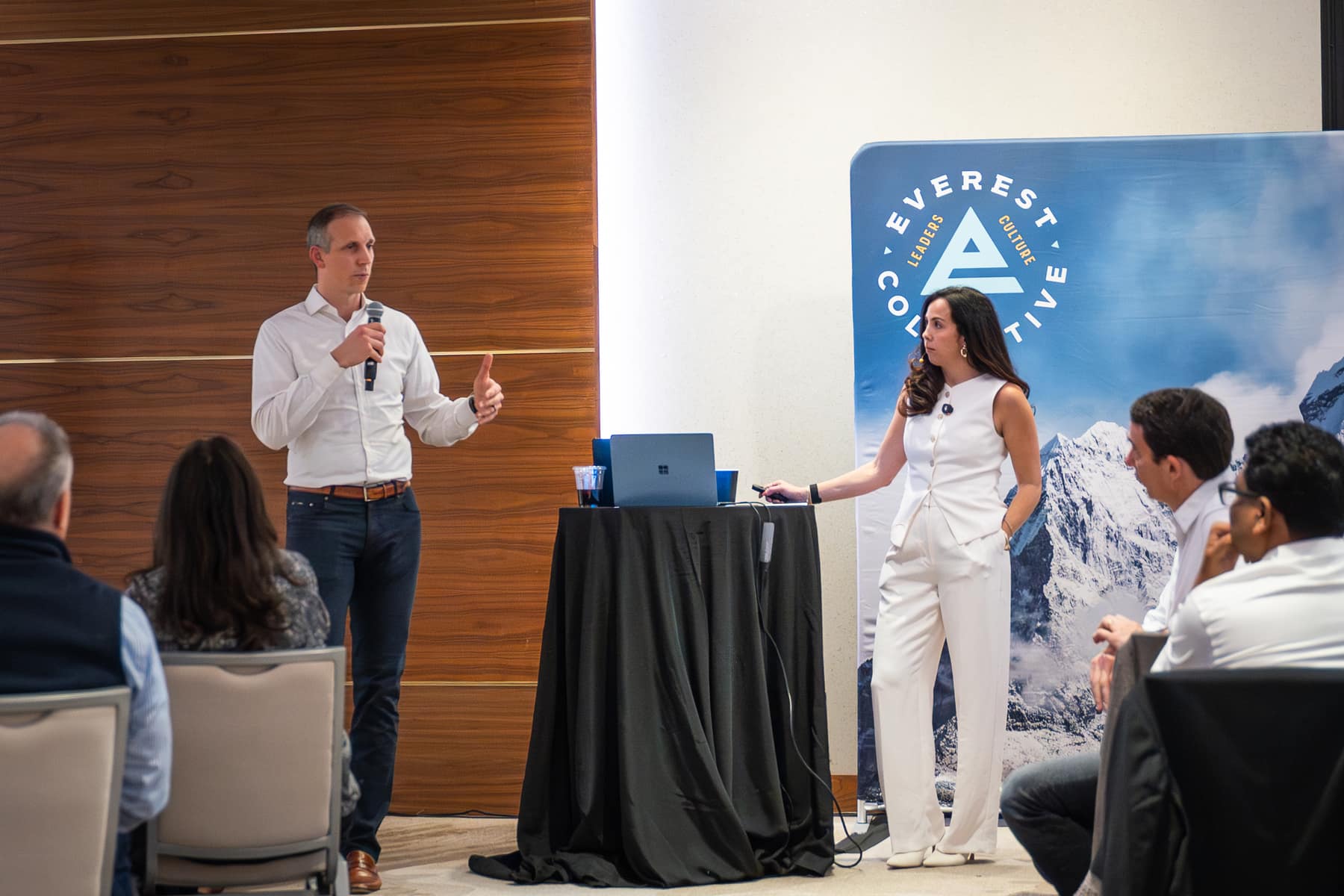
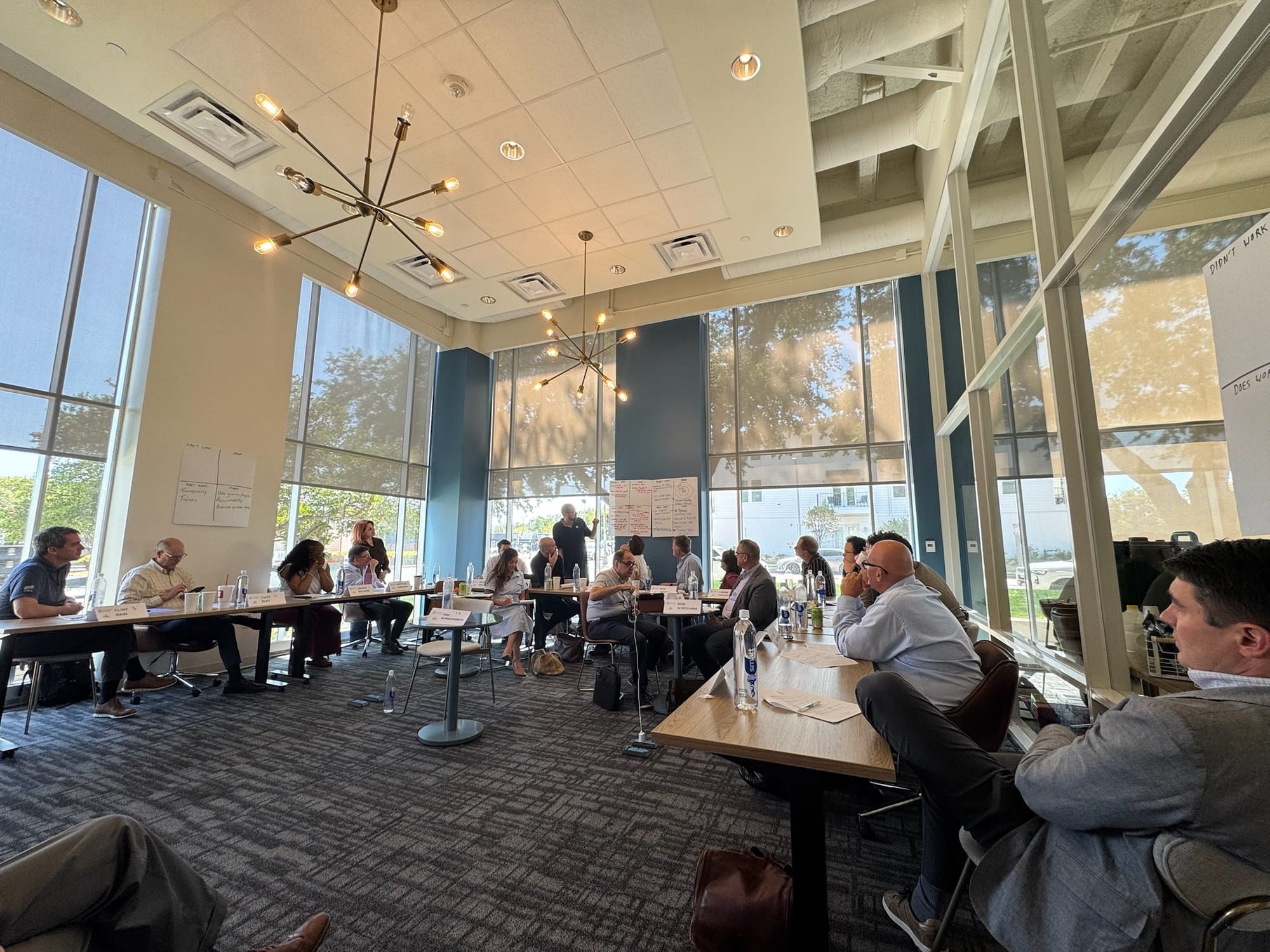
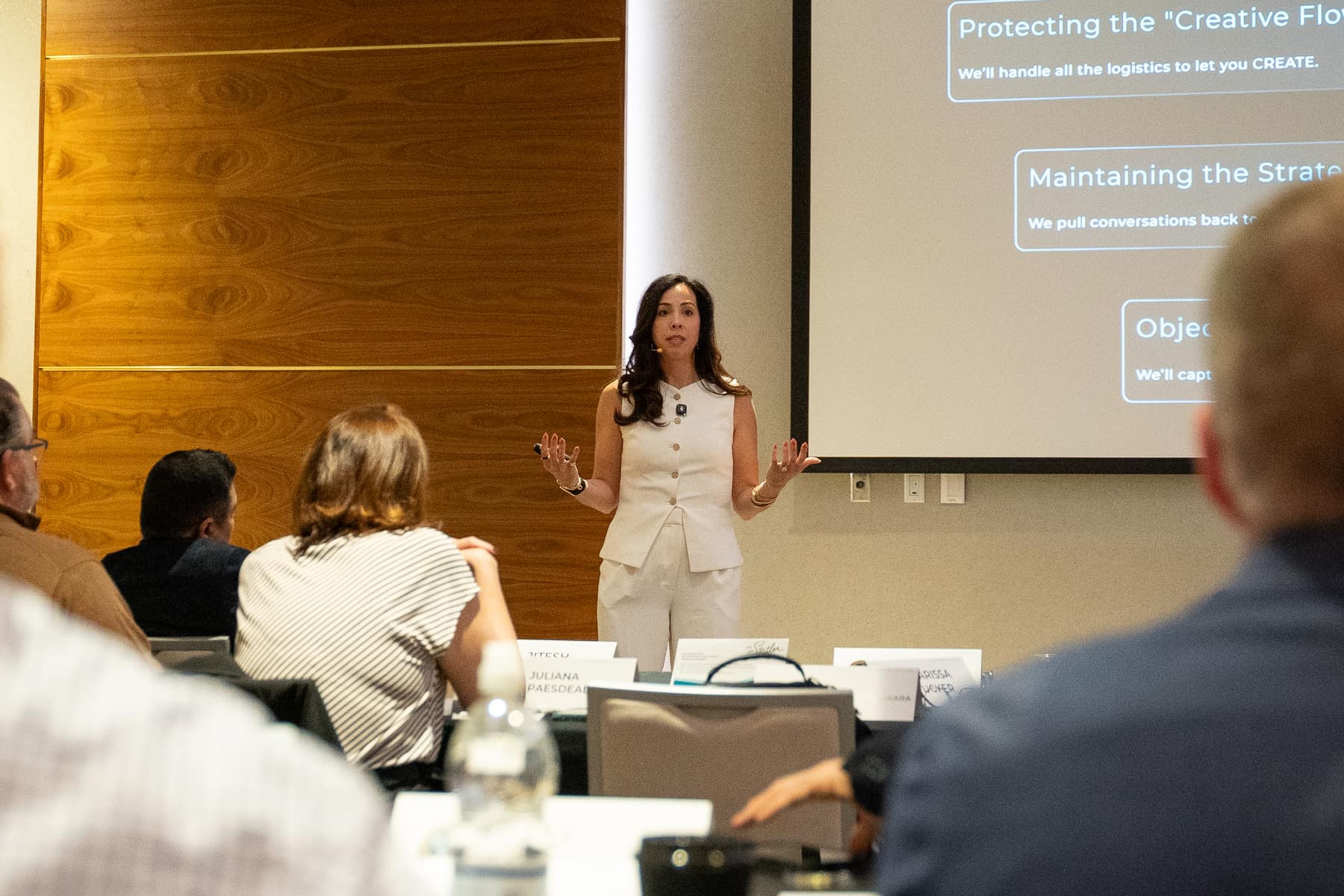
Everest Leadership Development is built as monthly, in-person sessions of 60 to 90 minutes for small groups of leaders. Each session takes one people-first fundamental, practices it on the leaders' real work, and sends them back to their teams with something to try before the next session.
Who is coaching your new managers?
Somewhere in your company is a new manager having their first hard conversation this week. Think about who taught them how to do it, and whether the way they will deliver it builds that person up or shuts them down. If you want help building that bench, book a conversation.
Frequently asked questions
Why do great individual contributors struggle as managers?
The skills that earned the promotion, doing the work well and fast, are different from the skills the new role needs: giving feedback, handing off work, holding people accountable and coaching others through problems.
How often should leadership development sessions happen?
Monthly works well. Sessions of 60 to 90 minutes give leaders time to practice one fundamental on their real work and try it with their team before the next session.
Who should be in a leadership development group?
Small groups of leaders at a similar level, often new managers or managers of managers, so the conversation stays practical and people can be candid with each other.
Related service: Leadership Development