
A mission-driven school under pressure
The University of Dallas is a Catholic liberal arts university in Irving, Texas. Like schools across the country, it faces fewer students heading to college and the enrollment and revenue pressure that follows, while it protects what makes it distinctive.
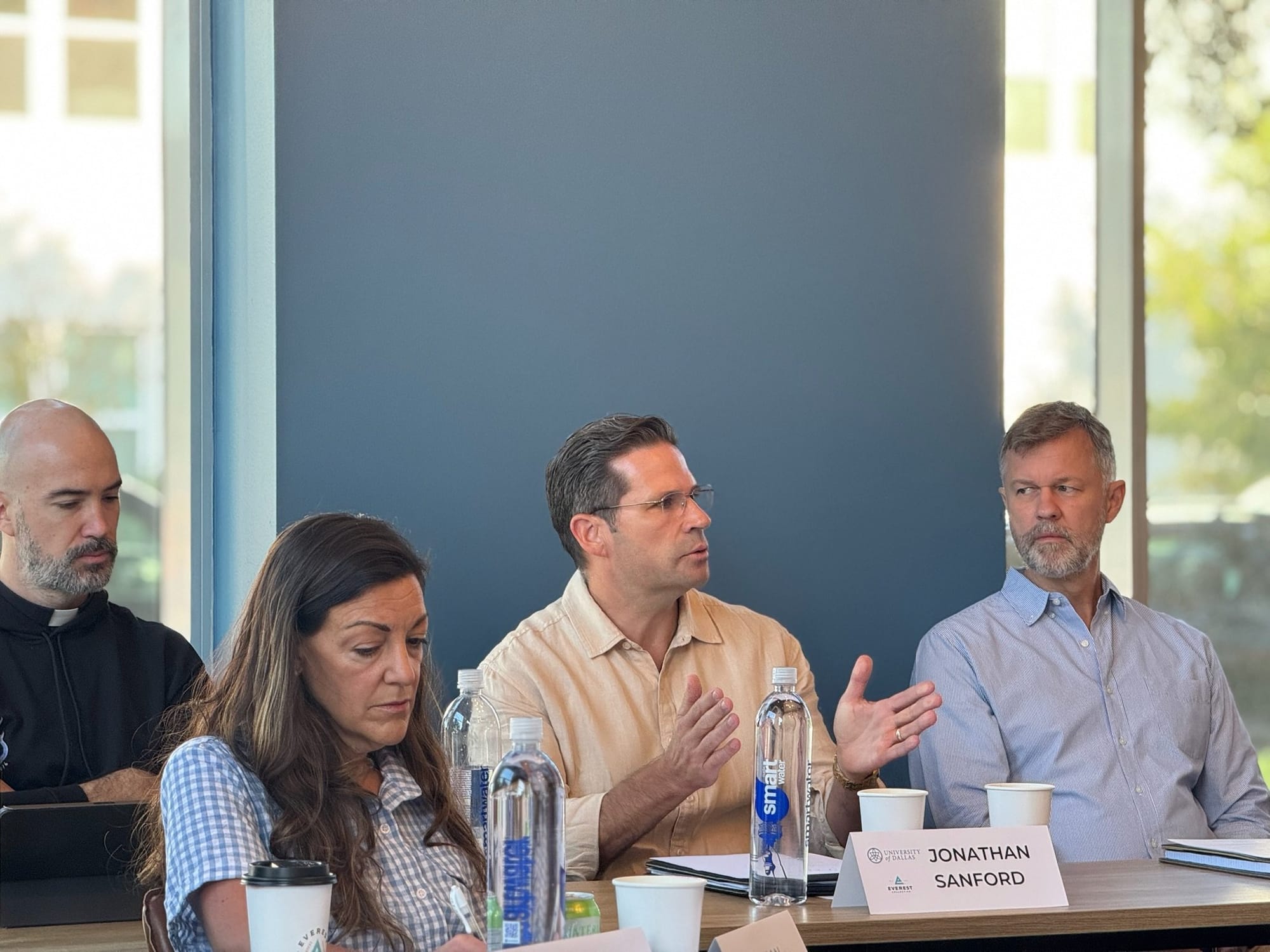
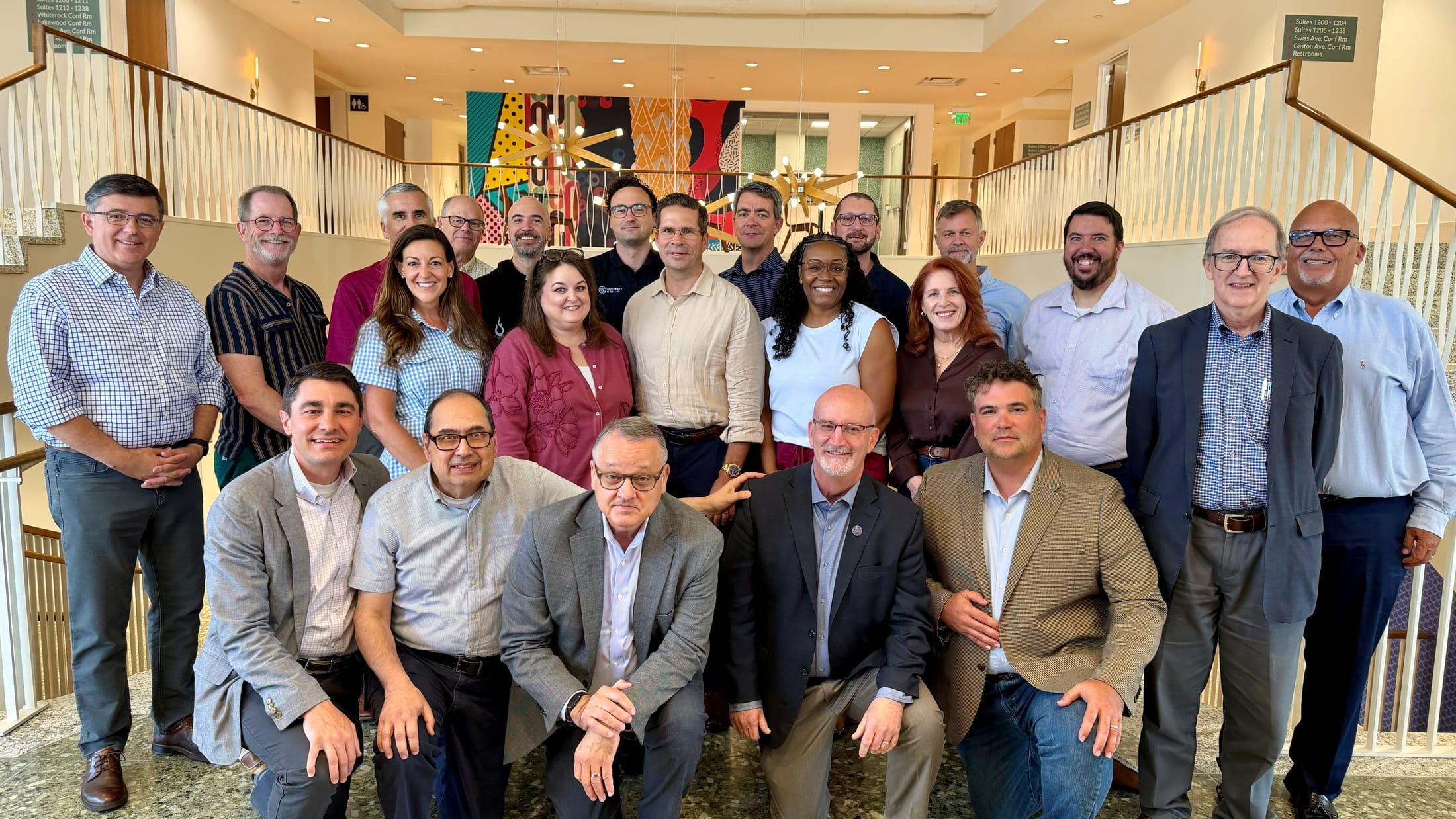
The team was the President's cabinet, the senior leaders who run the university's biggest areas. The leader who brought us in was the President, Dr. Jonathan J. Sanford.
Sound familiar
- A senior team clear on its values and less clear on the few priorities for this year
- Leaders working in silos, with gaps between areas nobody owned
- A strategic plan that had not yet turned into weekly action
High ideals, blurry priorities
“We were relatively clear on high ideals, but not clear enough on particular priorities and how those priorities really needed to be driven into the day-to-day work.”
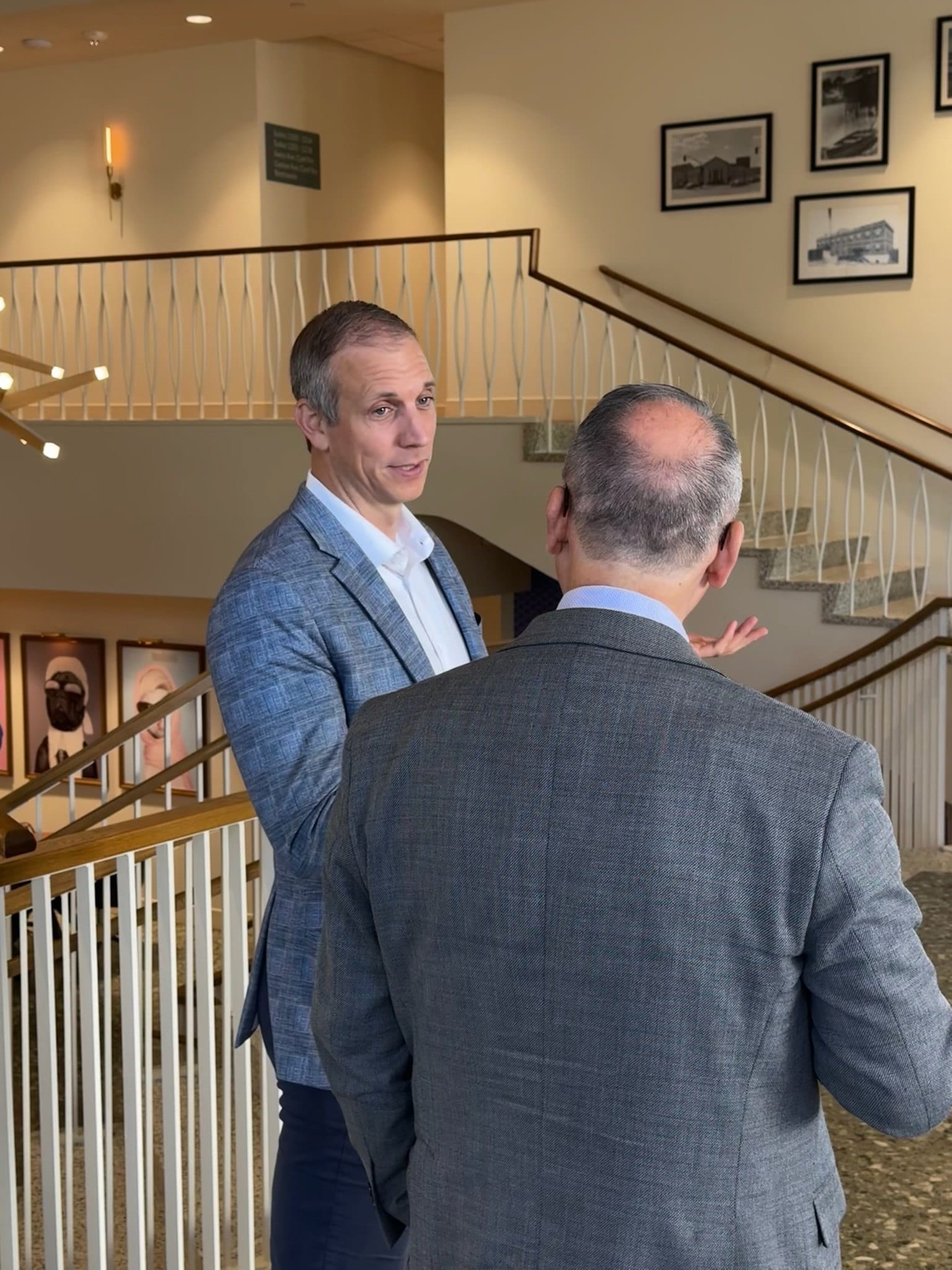
Sanford saw a cabinet that agreed on why the university exists and had a harder time agreeing on what to do first. Leaders worked in their own areas, the gaps between those areas went unaddressed, and some cabinet members found it hard to engage with each other.
The university had a strategic plan. Turning it into concrete action, with every leader pulling in the same direction, was the hard part.
What it was costing
“If we did not achieve this level of unification, we would just go through the next year haphazardly, doing the best we can, and I wonder if some people would lose hope all together of achieving our goals.”
Every leader heard first
Mike Fromhold and Brittany Tipton are former executives who led teams inside multi-billion-dollar companies. They start every engagement by talking with each leader alone, so the agenda comes from the team's own words.
An outside facilitator also changes what people are willing to say in the room. Ellis explained why a colleague leading the same conversation would get less out of it.
“It's because they don't have to give up any social capital.”
Built from every leader's own words
- Discover
Mike and Brittany interviewed every cabinet member one on one before setting a single agenda item. They brought back what they heard anonymously, so the team could see which concerns were widely shared.
- Connect
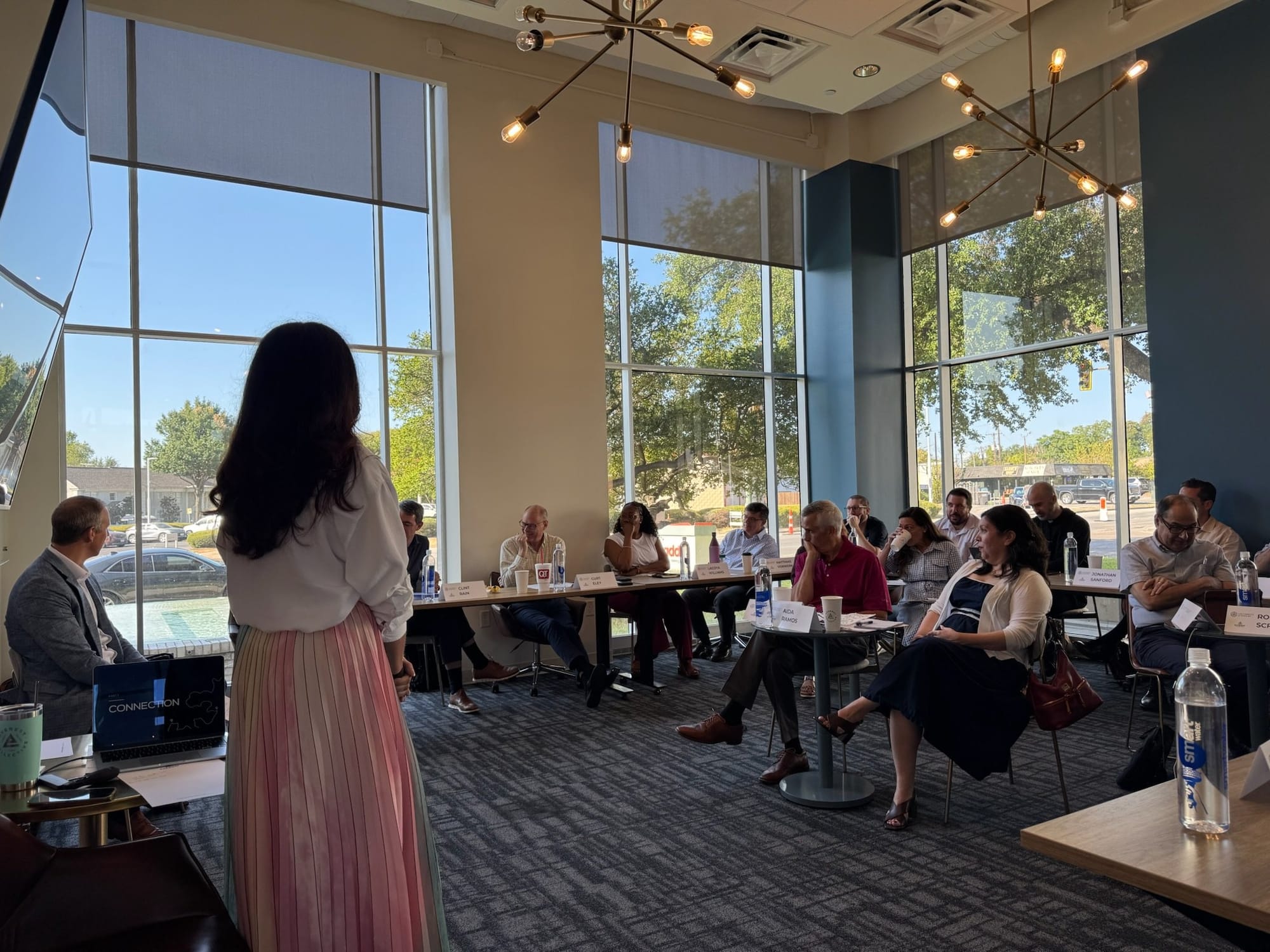
The retreat opened with connection, so the team knew each other as people before it talked about goals.
- Align
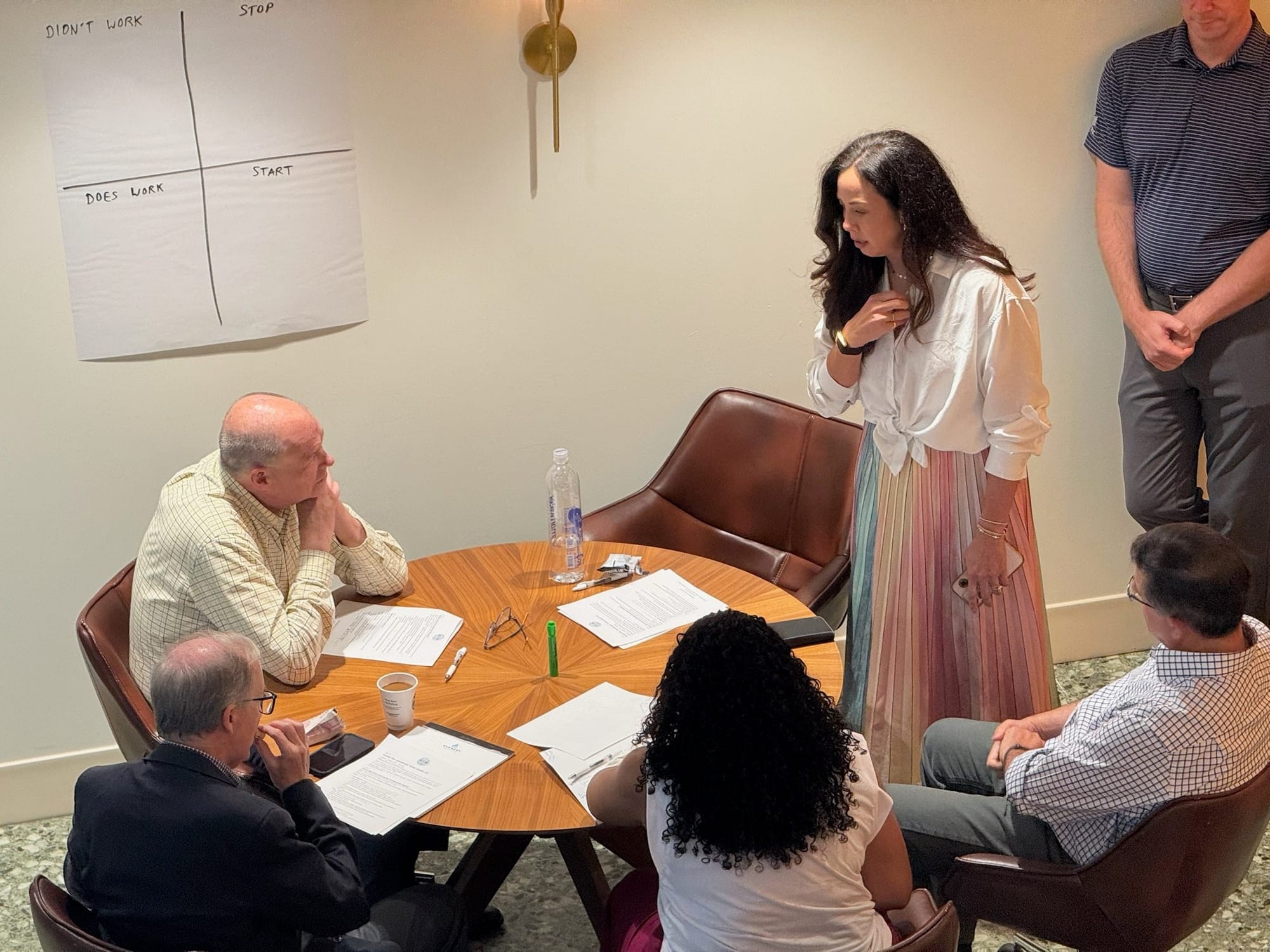
The team narrowed its goals to three priorities, wrote how it would reach them, and turned each into measures it could track week over week.
- Execute
For the next year, monthly cabinet sessions went back to the priorities and the numbers behind them. Leaders had one-on-one coaching and help with board presentations and communication plans.
- Expand
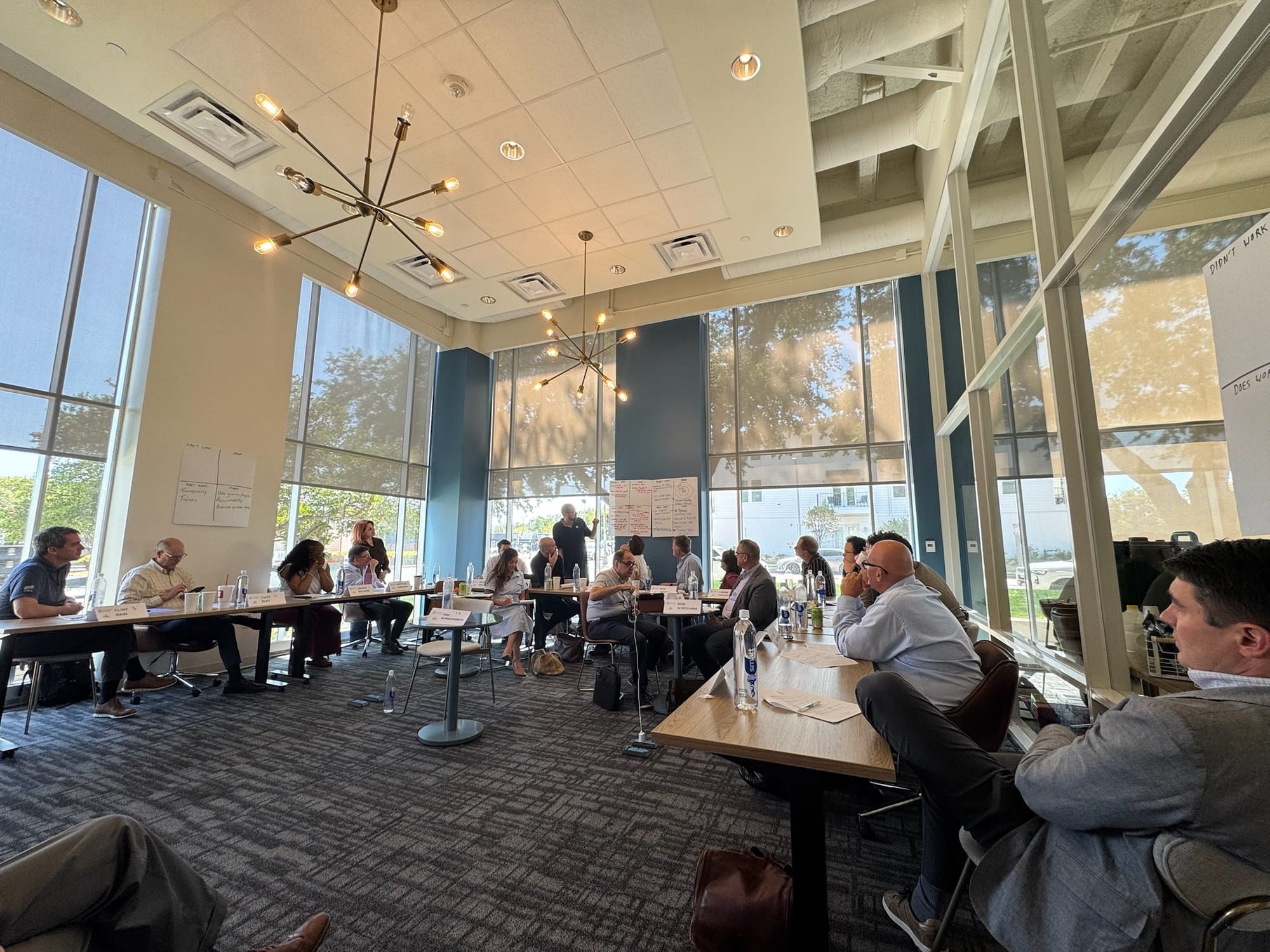
A year later, the second retreat started with senior leaders sharpening the goals, then brought in the next tier of leaders to test them and carry them into the rest of the university.
“Brittany and Mike actually knew what the problems were from behind the curtain, because they had talked to everyone individually.”
Three priorities, every week
Culture changes in a chain. New experiences change what people believe, beliefs change how they behave, and behavior changes the results. Here is how that chain played out at UD.
- Experiences
Every leader was interviewed alone, heard the team's shared concerns played back, told their own story in the room and wrote the priorities with their peers.
- Beliefs
The cabinet came to see the three priorities as its own, since it wrote them together, and to see that the concerns each leader carried alone were shared across the table.
“This time was extremely well spent because the team is focused on the work that needs to be accomplished and eager to achieve our goals together.”
Dr. Jonathan J. SanfordPresident, University of Dallas - Behaviors
The three priorities became the first item on every cabinet agenda, with a dashboard in front of the team each meeting. Ellis described it as a weekly reset of the conversation around what everyone had agreed mattered most, which made it easier to point resources in the same direction. On the front line, admissions counselors noticed the most requested campus visit days were federal holidays, when parents are free. The university shifted counselors' days off so campus could open on those holidays.
- Results
Advancement had its best philanthropy year in 26 years, in both unrestricted and restricted giving. More families were able to visit campus. New leaders joined a cabinet that already knew how to talk candidly and work across areas, and the second retreat carried the priorities to the next tier of leaders.