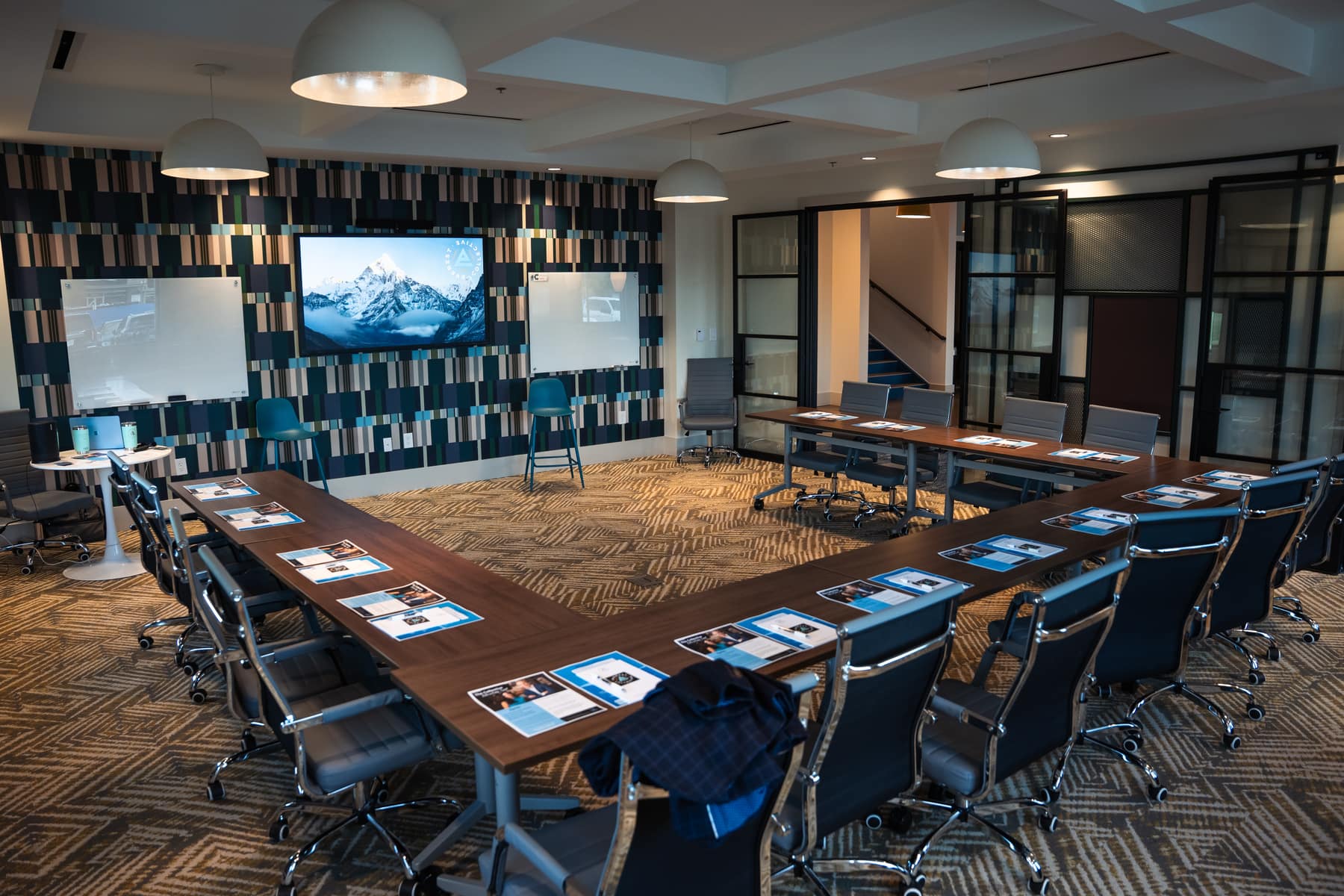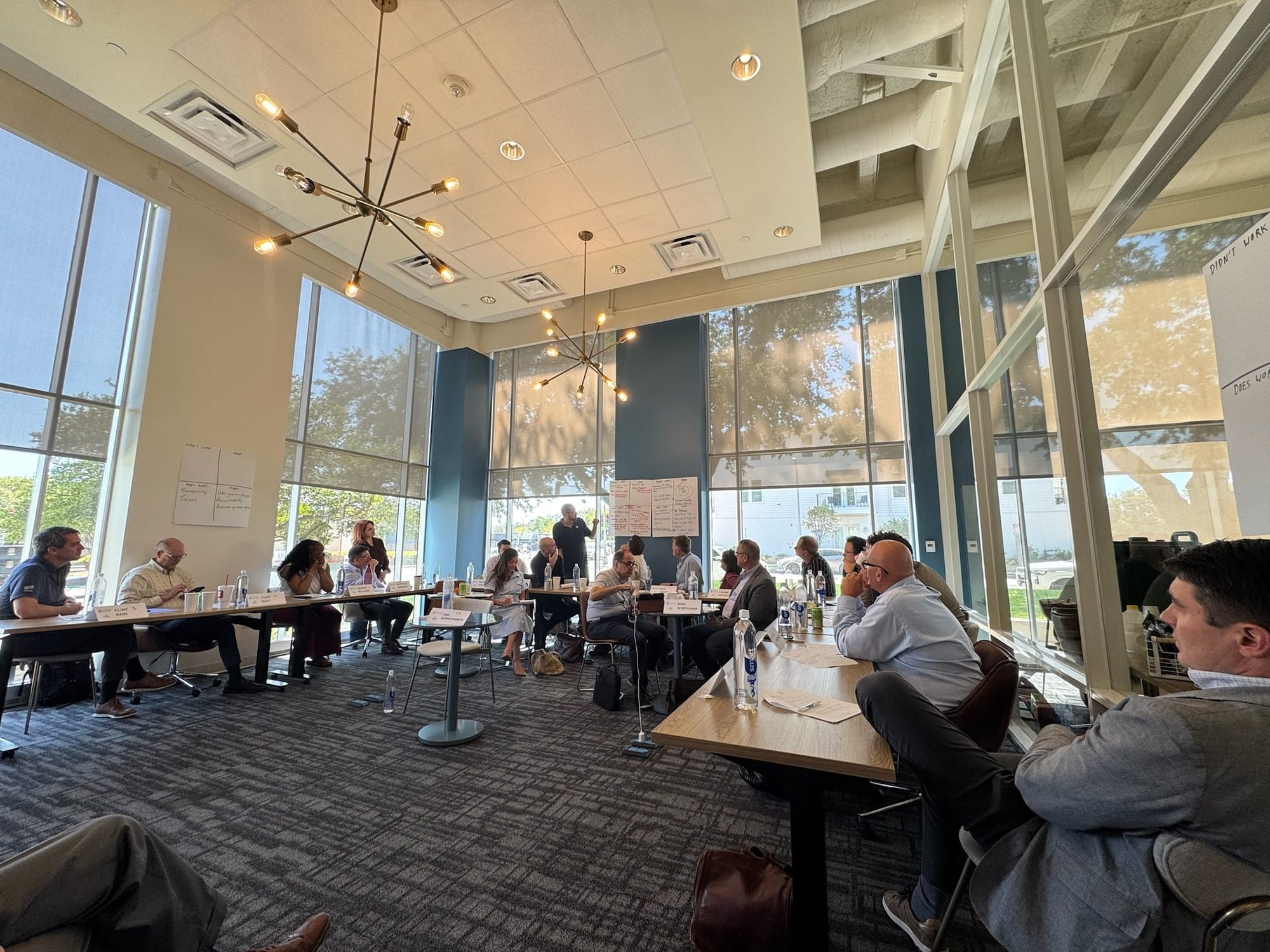


In September we sat with a company’s top leader and finance leader in their conference room to plan their leadership offsite. It had been two days. This year it would be one. And they were honest about the old version: the leaders took turns reciting their goals, then everyone went golfing.
We kept the golf. We changed the rest.
Planning 2027 when nobody is sure
The Conference Board’s measure of CEO confidence fell to 46 in the fourth quarter, from 52, and 41% of CEOs now expect economic conditions to get worse in the next six months, up from 19% (The Conference Board, October 15, 2026). Gartner’s 2027 CEO survey found that 44% of CEOs struggle to show financial returns from AI, while 63% call a radical redesign of the operating model a top move (Gartner, October 20, 2026).
When the outlook is murky, the temptation is to add priorities to cover every scenario. That is exactly backwards. An uncertain year needs fewer priorities, owned by more people.
A one-day planning offsite that works
Before the day: interview every leader. We talk to each leader one on one before we write the agenda. You hear the real concerns, and the agenda gets built from them.
Morning: clarity. Start with what this year delivered and what success looks like next year. One growth target, with a floor you won’t go below to hit it. Two or three priorities, each measured from X to Y by when.
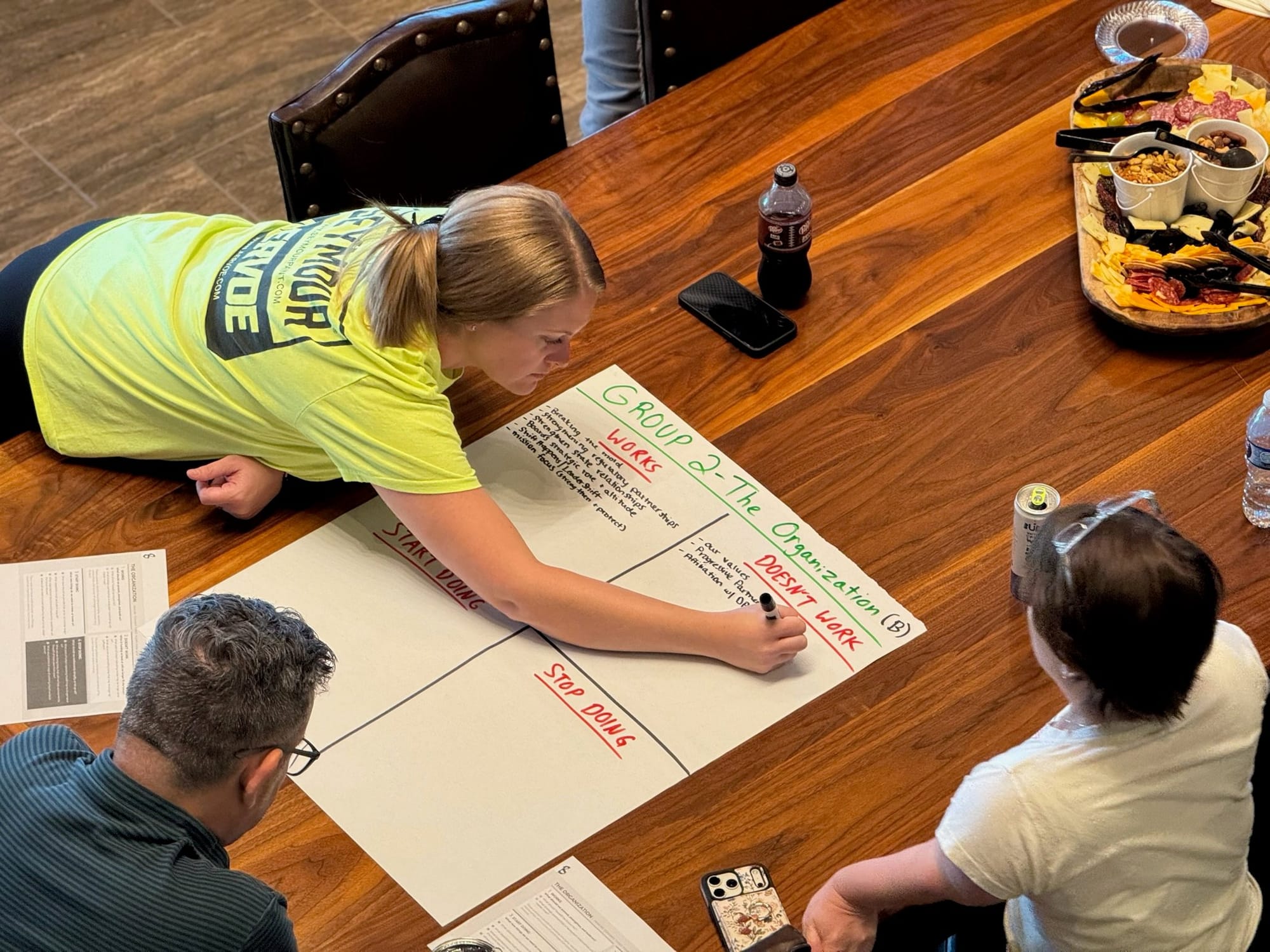
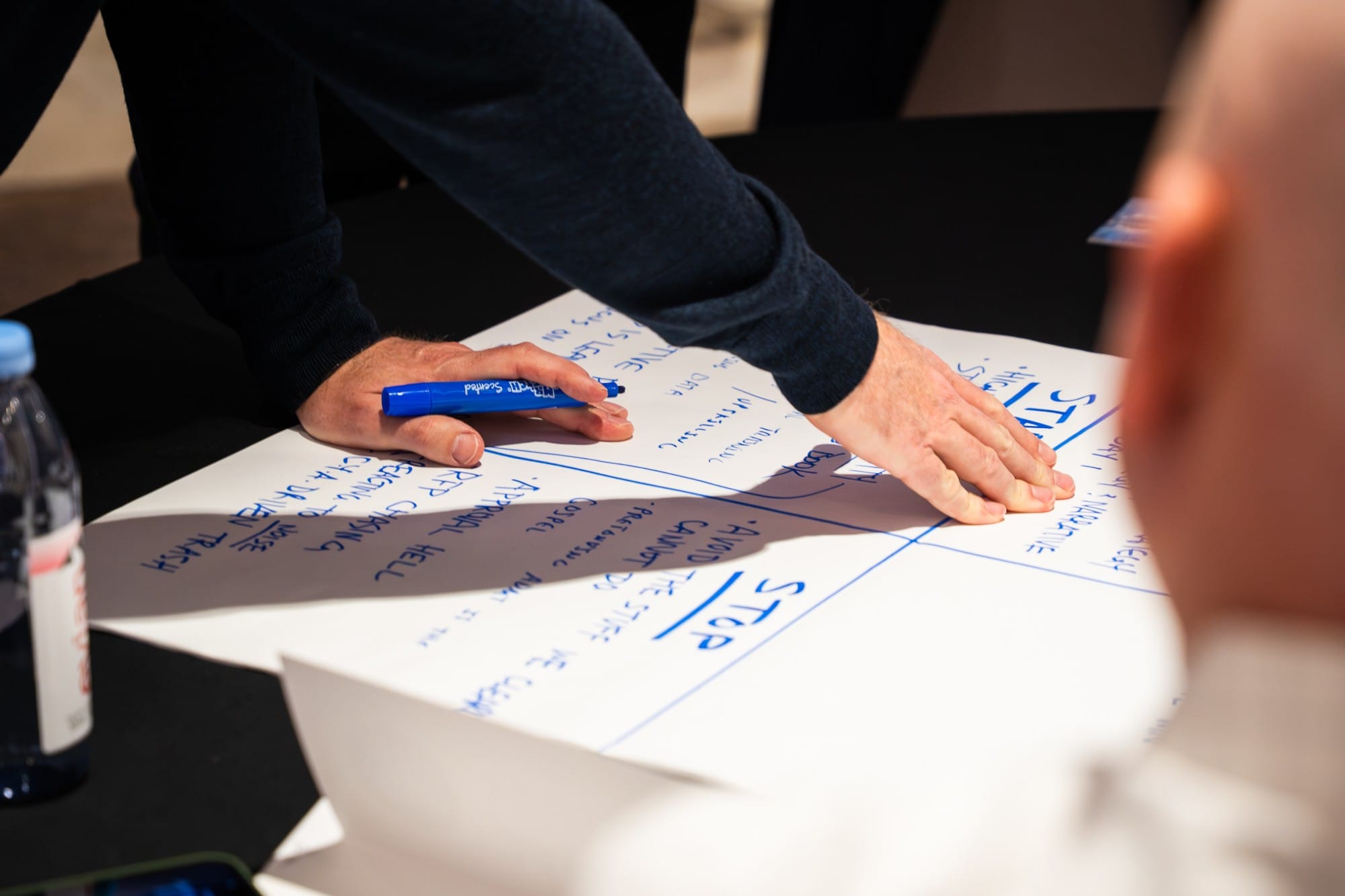
Midday: start, stop, working, not working. Small groups, not open forum. Open forum leads to a lot of groupthink. Each group answers four questions about how the team works, then shares back.
The pre-mortem. Brittany asks the room to picture this time next year. “If we don’t achieve this goal, what happened? What got in our way? We name those, and then we say, what are we not chasing? And we all agree to it.” You may want to go to Mars, but you’re staying local this year, and everyone heard it.
Afternoon: what I need from you. Each leader brings one page on their plan for the year, including what they will need from their teammates. That turns a room of separate plans into one team’s plan.
Evening: keep the dinner. The conversations at dinner after a day like that are often the best of the trip.
The day after is the real test
The hard part comes after the offsite. Building the strategy and debating it is the fun part. Being disciplined to execute every day is the hard work. The teams that make it stick put the plan on the screen every week. We heard about one team whose leaders now open their weekly calls with the same slide from the offsite: hey guys, remember, we said these are the things.
Track it with lead measures, the things the team can control and measure that predict the result. You can read more about why priorities stall after the offsite and how to carry them into every department.
Book the room early
Meeting planners expect bigger budgets in 2027, and costs per attendee are rising for every kind of meeting (Hotel Dive, October 14, 2026). Good group dates go fast in January and February. Pick the place now, close to home in Dallas–Fort Worth or farther afield from our venue guide, and talk with the founders about the agenda.
Frequently asked questions
What should a strategic planning offsite agenda include?
Interviews with each leader beforehand, a morning on results and next year’s two or three priorities, small-group breakouts on what is and isn’t working, a pre-mortem with an agreed list of what you won’t chase, and each leader sharing what they need from the others.
Can a strategic planning retreat be one day?
Yes. A well-prepared one-day offsite, with interviews done in advance and a tight agenda, can set priorities and owners. Two or three days give more time for trust and harder conversations.
What is a pre-mortem in strategic planning?
The team imagines it is a year from now and the goal was missed, names what got in the way, then agrees on what it will not pursue so the main priorities stay protected.
Related service: Executive Leadership Retreats