
This past weekend I asked AI to do a job that used to mean weeks of phone calls. We keep a guide on our website to the places a leadership team can go for a retreat, from a guest ranch outside Tucson to an inn on Cape Cod, and I wanted to know what 24 of them cost through the year. Room rates by season, minimum stays, food, fees, deposits and cancellation terms. I sent four AI agents after it, and they read booking engines, banquet menus and county tax tables and came back in UNDER AN HOUR, with every number labeled by where it came from.
It was good work, and it was fast. And as I read through it, I kept thinking about the next step. A CEO calls us about a retreat, and Brittany or I get on the phone. The room rates matter for a few minutes. The conversation that decides whether the retreat works is about people: who has gone quiet, where trust has worn thin, and whether the team still believes in where the company is headed.
The AI handled the part that used to be scarce, and in doing it, it made the other part worth more.
Answers are getting cheap
AI is creating an abundance of knowledge, answers and content. Anyone on your team can get a market summary, a strategy memo or a first draft in seconds. When answers cost almost nothing, the things a model can't hand you go up in value: trust, connection, judgment, and the very human need to know that we matter.
The tools themselves are not the hard part. PwC's 29th Global CEO Survey, released in January 2026, found that only 12% of CEOs say AI has delivered both cost and revenue benefits so far. In our work, the gap between the companies getting results and the ones still waiting almost always comes back to the leaders and the people around the tools.
Noticed, affirmed and needed
Zach Mercurio has spent years studying what he calls mattering, and his book “The Power of Mattering” (Harvard Business Review Press, 2025) puts it in three words. People need to feel noticed, affirmed and needed.
Noticed means someone sees you and hears you. Affirmed means someone shows you how your particular strengths make a difference. Needed means you know the team relies on you, and that it would feel your absence.
I believe helping people feel this may become one of the most important leadership capabilities of the coming generation. As AI takes on more of the drafting, sorting and summarizing, more of a leader's job is the part only a person can do, which is making sure the people around them know they matter.
What it looks like on a Tuesday
Notice. Put the phone face down in the one-on-one and ask the second question. Remember what someone told you last week and ask how it went. People can tell the difference between a leader who is listening and one who is waiting to talk.
Affirm. Be specific. "Great job" is gone by lunch. Telling someone exactly what their work changed, and for whom, is the kind of thing people remember.
Need. Tell people what would not happen without them. Ask for their judgment before you decide, and let it shape the decision. A memo can tell someone they are valued, and only a leader's behavior convinces them.
Use AI to buy back time for people
None of this is an argument for slowing down on AI. We are AI forward at Everest, and we help leadership teams decide where it belongs in their business and how to put it to work. The best use of the hours it saves is the part of leadership no tool can do for you.
A leader who lets AI answer the routine questions and spends the time saved noticing, affirming and needing their people will build a team that trusts each other, tells the truth and executes. A competitor can buy the same software. It cannot buy that.
The part that is still ours
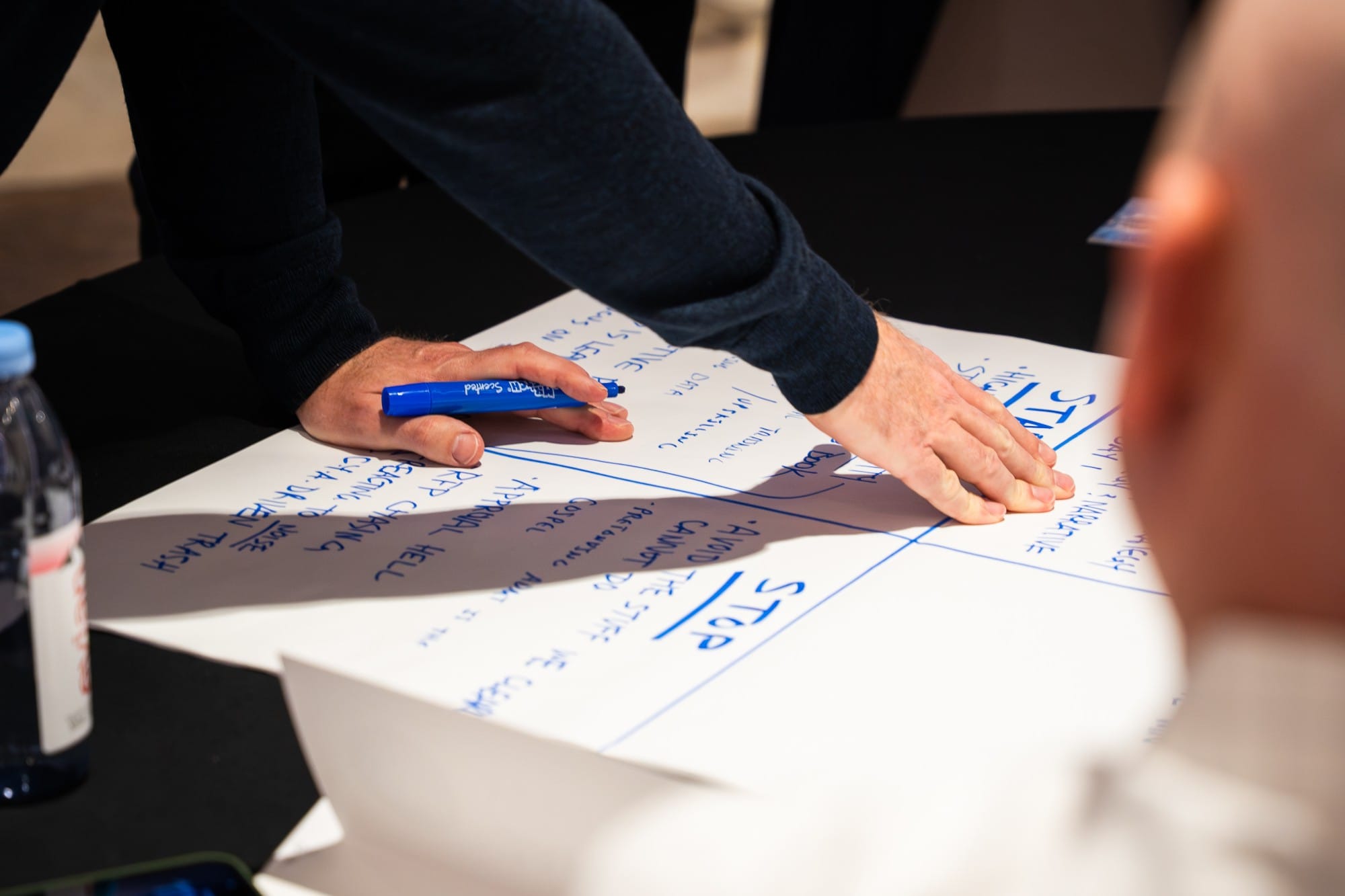
The AI found the rates for all 24 venues. It cannot sit at the long table on the second night of a retreat, when a leader finally says what they have been carrying and the rest of the room leans in. That moment is where connection, clarity and alignment start, and it is still ours to create.
Who on your team needs to hear from you this week that they matter?
Frequently asked questions
What is mattering at work?
Mattering is the experience of feeling significant to the people you work with and knowing you add value to them. Zach Mercurio describes it as feeling noticed, affirmed and needed, and his research treats it as a basic requirement for people to thrive at work.
Does AI make human leadership skills less important?
It makes them more important. As AI makes answers, analysis and content easy to get, the things it cannot supply, such as trust, judgment, connection and helping people know they matter, become what separates one team from another.
How can a leader help people feel they matter?
Notice them by listening closely and following up. Affirm them by naming the specific difference their work makes. Show them they are needed by asking for their judgment and telling them what would not happen without them.
Related service: AI and leadership